
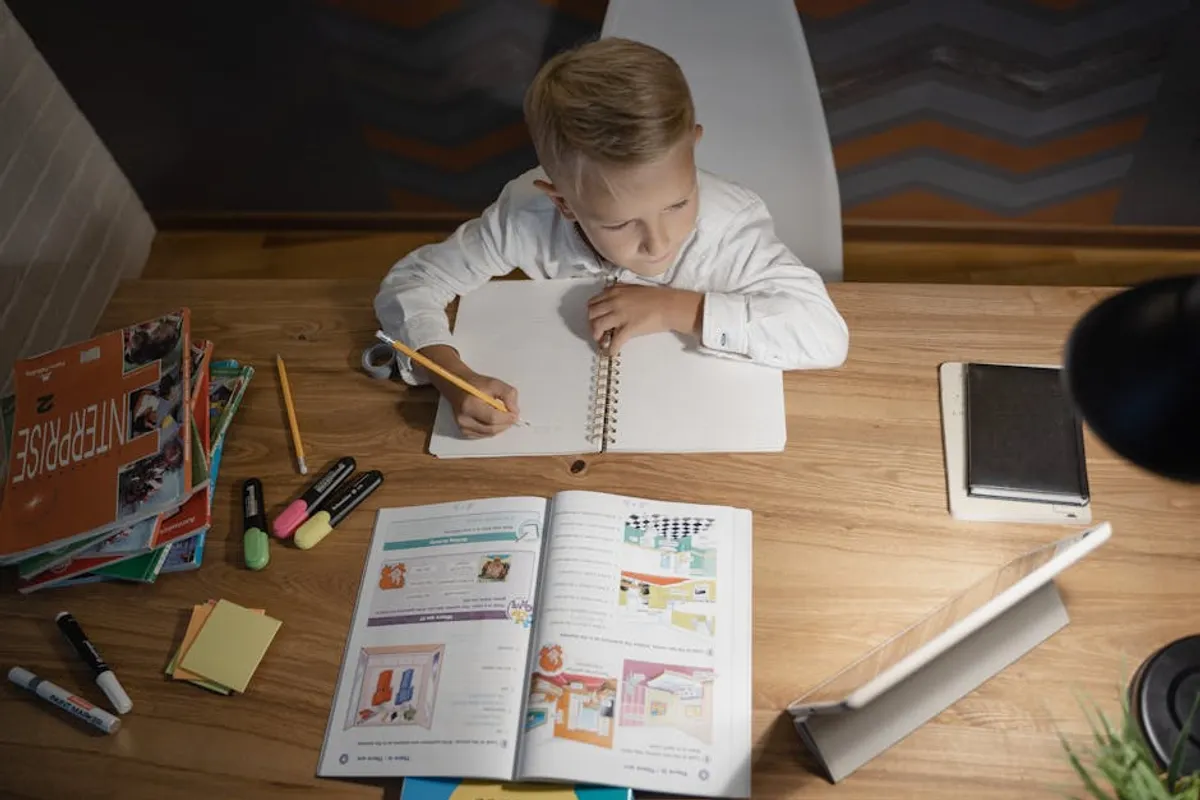
Navigating homework can often become a source of daily friction for families, transforming what should be a learning opportunity into a battleground of missed deadlines, rushed assignments, and escalating stress. Without a defined structure, students struggle with time management, focus, and accountability, while parents often find themselves in the unenviable role of taskmaster. Implementing a consistent homework routine, however, fundamentally shifts this dynamic. It provides predictability and clarity, empowering students to develop critical organizational skills and fostering a more independent approach to their academic responsibilities. For parents, a well-established routine mitigates the need for constant supervision, replacing conflict with support and creating a calmer home environment conducive to learning and growth.
Crafting an Effective Homework Environment
A dedicated, distraction-free space is foundational for any successful homework routine. This isn't about luxury; it's about minimizing cognitive load and maximizing focus. The chosen area should be consistently available during homework hours to reinforce the routine's predictability.
- Physical Setup: Position a desk or table away from high-traffic areas, televisions, and gaming consoles. Ensure adequate lighting to prevent eye strain and maintain alertness. A comfortable, ergonomic chair supports sustained focus without physical discomfort.
- Minimizing Digital Distractions: Implement a 'digital detox' during homework time. This means phones on silent, out of sight, and non-essential tabs closed on computers. For younger students, consider using parental controls or dedicated study apps that block distracting websites.
- Supply Organization: Keep all necessary school supplies—pens, paper, calculators, textbooks, art materials—within arm's reach. This prevents interruptions caused by searching for materials, maintaining momentum and focus throughout the session. Use drawers, caddies, or labeled bins to keep items tidy and easily accessible.
Designing the Homework Session Structure
The actual execution of homework benefits immensely from a structured approach that accounts for varying task complexities and attention spans.
Scheduling for Success: Establish a consistent start time each day, ideally shortly after school or after a brief decompression period. This daily rhythm helps students mentally prepare for academic work. The duration of each session should be age-appropriate; a general guideline is 10 minutes per grade level (e.g., 30 minutes for a 3rd grader, 90 minutes for a 9th grader), but flexibility is key based on workload and individual capacity.
Task Prioritization Methods: Teach students to prioritize assignments. A simple method involves categorizing tasks by urgency and importance. The "Eisenhower Matrix" (urgent/important, important/not urgent, urgent/not important, not urgent/not important) can be adapted. Starting with the most challenging or time-sensitive task often builds momentum, allowing easier tasks to feel like a reward. Alternatively, some students prefer to tackle quick, easy tasks first to gain a sense of accomplishment.
Strategic Breaks: Incorporate short, scheduled breaks (5-10 minutes) every 30-45 minutes. These breaks are crucial for mental rejuvenation and preventing burnout. Encourage physical activity during breaks, such as stretching, walking, or getting a snack, rather than engaging with screens, which can be harder to disengage from.
Pro Tip: Consistency is paramount. While flexibility for unique circumstances is necessary, the routine's strength comes from its regular application. Small deviations are inevitable, but consistently returning to the established schedule reinforces the habit and reduces resistance over time.
Parental Involvement: Support Without Micromanagement
Parents play a critical role in establishing and maintaining homework routines, acting as facilitators and guides rather than direct supervisors.
Setting Clear Expectations: Communicate the routine clearly to students, explaining the 'why' behind it. Discuss the agreed-upon start times, duration, break schedules, and the expectation of independent work. Involve older students in setting these parameters to foster a sense of ownership.
Monitoring Progress, Not Just Results: Shift focus from solely checking answers to observing effort, process, and understanding. Ask open-ended questions about what they're learning, what challenges they faced, and how they approached problem-solving. This encourages critical thinking and helps identify genuine learning gaps, rather than just mistakes.
Dealing with Resistance: When resistance occurs, approach it with empathy and problem-solving. Avoid immediate confrontation. Instead, ask what's making it difficult. Is the workload too heavy? Are they tired? Is the task unclear? Collaborate on solutions, such as adjusting the routine, seeking teacher clarification, or breaking down daunting tasks into smaller steps. Reinforce the routine's benefits and the consequences of not adhering to it, such as later bedtimes or reduced free time.
Fostering Student Ownership and Adaptability
The ultimate goal is to equip students with the skills to manage their own academic responsibilities.
Empowering Choice: As students mature, involve them more in the design and modification of their homework routine. Allow them to choose their break activities, the order of tasks, or even the exact start time within a reasonable window. This autonomy increases engagement and accountability.
Flexibility and Review: A routine should not be rigid to the point of breaking. Life happens—extracurriculars, family events, or unusually heavy workloads. Teach students how to adapt their schedule proactively. Regularly review the routine (e.g., weekly or monthly) with your child to assess its effectiveness. Discuss what's working, what's not, and make necessary adjustments based on their feedback, academic demands, and evolving needs.
Practical Application and Ongoing Refinement
Establishing a successful homework routine is an iterative process. It requires initial planning, consistent implementation, and a willingness to adapt. Start with small, manageable changes and gradually build upon them. Celebrate successes, no matter how small, to reinforce positive behaviors. The objective is not perfection, but consistent progress towards independent, effective study habits that reduce stress and enhance learning for both students and parents.
Frequently Asked Questions
How long should a homework routine typically last each day?
A general guideline is 10 minutes per grade level, meaning a 4th grader might spend 40 minutes, and a 10th grader 100 minutes. However, this should be adjusted based on the student's individual workload, concentration span, and specific academic demands.
What if a student consistently struggles to follow the routine?
Identify the root cause of the struggle. It could be due to overwhelming workload, lack of understanding, distractions, or fatigue. Collaborate with the student to adjust the routine, seek teacher input, or break down tasks into smaller, more manageable segments to rebuild confidence and adherence.
How can parents balance multiple children's homework schedules?
Create individual routines that consider each child's age, academic demands, and extracurricular activities. Staggering start times or utilizing different study areas can minimize conflicts. Older children may require less direct supervision, allowing parents to focus more on younger students as needed.
Is it okay to skip homework on certain days?
While consistency is ideal, occasional skips are acceptable for unforeseen circumstances like illness or significant family events. The key is to communicate any changes and ensure missed work is caught up promptly to avoid falling behind. Proactive planning for busy periods can also help.