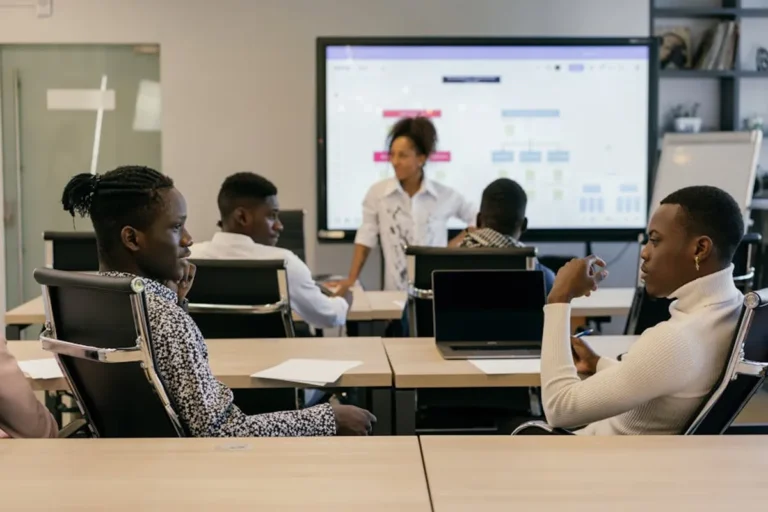

Selecting a boarding school in Turkey represents a significant decision, influencing a student’s academic trajectory, personal development, and future opportunities. The country offers a diverse landscape of educational institutions, each with distinct pedagogical approaches, cultural integrations, and specialization areas. Families evaluating these options must move beyond general reputation and scrutinize specific program structures, faculty qualifications, student support systems, and the overall campus environment. Understanding the precise fit between a student's individual needs and a school's offerings is paramount, requiring careful consideration of academic rigor, extracurricular breadth, and the quality of pastoral care. This detailed examination aims to provide clarity on the differentiating factors among Turkey’s leading boarding schools, enabling a more informed choice. For families seeking a broader educational context, a comprehensive overview of international schools can provide valuable insights into diverse learning environments.
How to Evaluate Boarding Schools in Turkey
The process of selecting a boarding school requires a structured approach to ensure alignment with a student’s academic goals and personal growth requirements. Key areas for evaluation include:
- Academic Programs and Curriculum: Investigate the specific curriculum offered—whether it's the International Baccalaureate (IB), Advanced Placement (AP), a national curriculum (Turkish, French, German), or a specialized track like STEM or humanities. Assess the school's average examination scores, university placement rates, and the breadth of elective subjects available.
- Boarding Facilities and Student Life: Examine the quality of accommodation, including room configurations, common areas, and supervision ratios. Review the range of extracurricular activities, sports programs, arts initiatives, and weekend excursions. Understand the school’s approach to student welfare, including counseling services, health provisions, and disciplinary policies.
- Faculty Qualifications and Student-Teacher Ratio: Research the academic credentials and experience of the teaching staff. A lower student-teacher ratio often indicates more personalized attention and support, which can be crucial in a boarding environment. Inquire about professional development opportunities for teachers.
- Location and Environment: Consider the school’s geographical setting—urban, suburban, or rural—and how it aligns with the student’s preferences and the family’s logistical needs. Evaluate the local community and the opportunities it presents for cultural immersion or practical experiences.
- Accreditation and Reputation: Confirm the school’s accreditation status with relevant national or international bodies. Research its reputation through alumni networks, parent testimonials, and independent educational reviews. A strong, verifiable reputation often correlates with consistent educational quality.
- Cost and Financial Aid: Obtain a comprehensive breakdown of tuition fees, boarding costs, and any additional charges for uniforms, trips, or specialized programs. Investigate the availability of scholarships, bursaries, or financial assistance programs that can mitigate expenses.
- Student Support Services: Assess the provision of academic support (e.g., tutoring, learning support), university guidance counseling, and psychological support services. A robust support system is vital for student well-being and academic success in a residential setting.
1. Anatolian International Academy
Anatolian International Academy positions itself as a premier institution for students seeking a globally recognized education within a culturally rich Turkish context. The school primarily offers the International Baccalaureate (IB) Diploma Programme, emphasizing critical thinking, interdisciplinary learning, and global citizenship. Its campus features modern academic buildings, dedicated science and technology labs, and a performing arts center. The boarding houses provide supervised, structured environments designed to foster independence while ensuring student welfare. The curriculum is delivered by an internationally diverse faculty, many with advanced degrees and experience in IB pedagogy.
Best for: Students aiming for international university admissions, those who thrive in a diverse, inquiry-based learning environment, and families prioritizing a comprehensive IB education.
Pros: Strong emphasis on the IB curriculum, leading to high university acceptance rates at global institutions. A multicultural student body and faculty foster a broad perspective. Extensive extracurricular offerings in arts, sports, and community service. Dedicated university counseling services with a global focus.
Cons: The highly structured IB program may not suit students preferring a more traditional, exam-focused national curriculum. Tuition and boarding fees are positioned at the higher end of the market. Its urban location, while offering accessibility, provides less natural green space compared to more rural campuses.
Verdict: A robust choice for internationally-minded students seeking a rigorous academic program and a pathway to global higher education, provided the IB framework aligns with their learning style and the financial commitment is manageable.
2. Bosphorus College Prep
Bosphorus College Prep focuses on a US-style college preparatory curriculum, including a wide array of Advanced Placement (AP) courses. The school emphasizes STEM subjects, offering specialized labs for robotics, engineering design, and computational science. Its pedagogy is project-based, encouraging hands-on learning and problem-solving. The boarding experience is designed to mirror a US collegiate dormitory system, promoting self-reliance and community living, supported by resident advisors. The academic program is complemented by a competitive athletic program and various student-led clubs, reflecting an American educational model.
Best for: Students targeting US universities, those with a strong interest in STEM fields, and individuals who benefit from a structured, yet flexible, college preparatory pathway.
Pros: Comprehensive AP program with a high success rate in examinations. Strong links with US universities and specialized guidance for American college applications. Modern facilities supporting advanced STEM education. An active and competitive sports culture.
Cons: The emphasis on the US curriculum might be less ideal for students primarily considering European or Turkish university systems. Its focus on STEM, while strong, may offer fewer specialized pathways for students with primary interests in humanities or fine arts. The campus, while well-equipped, is compact due to its city location.
Verdict: An excellent fit for academically driven students with clear aspirations for higher education in the United States, particularly those excelling in science and technology disciplines.
3. Marmara Arts & Sciences Institute
Marmara Arts & Sciences Institute offers a balanced curriculum that integrates a strong academic foundation with a deep engagement in creative arts and humanities. While maintaining rigorous science and mathematics programs, the institute distinguishes itself with extensive offerings in visual arts, music, drama, and creative writing. Its campus includes professional-grade art studios, a black box theater, and dedicated music practice rooms. The boarding program fosters a collaborative and expressive community, often organizing cultural outings and student performances. The faculty includes practicing artists and scholars who bring real-world experience to the classroom.
Best for: Creatively inclined students who seek academic challenge alongside opportunities for artistic expression, and those who value a holistic educational approach.
Pros: Exceptional facilities and programs for arts and humanities. A curriculum that encourages interdisciplinary connections between arts and sciences. A supportive and inspiring environment for artistic development. Strong alumni network in creative industries.
Cons: While academics are strong, the primary focus on arts may mean less emphasis on highly specialized STEM research opportunities compared to dedicated science academies. Its unique pedagogical approach might not suit students who prefer a more traditional, compartmentalized academic structure. Located in a bustling area, which might be less appealing for students seeking a tranquil, secluded campus.
Verdict: Ideal for students who possess both intellectual curiosity and artistic talent, providing a rare environment where both can flourish equally, preparing them for diverse career paths.
4. Aegean Leadership School
Aegean Leadership School is structured around developing leadership skills, character, and resilience through a blend of academic rigor and experiential learning. The curriculum incorporates modules on ethics, public speaking, project management, and community service. A significant portion of the program involves outdoor education, including trekking, sailing, and environmental conservation projects in the Aegean region. The boarding ethos emphasizes responsibility, teamwork, and self-discipline, with students actively participating in campus governance. Faculty members often have backgrounds in leadership development, military service, or adventure education.
Best for: Students who thrive in structured environments, are interested in personal growth and leadership, and enjoy outdoor activities and experiential learning.
Pros: Unique focus on leadership development and character building. Extensive outdoor education program that builds resilience and practical skills. A strong sense of community and shared purpose among students. Graduates often demonstrate exceptional maturity and initiative.
Cons: The intensive leadership and outdoor components may not appeal to all students, particularly those who prefer a purely academic or urban-centric experience. The curriculum, while strong, might be less specialized in certain academic fields compared to schools with a singular academic focus. Its remote location, while offering natural beauty, can be a logistical consideration for some families.
Verdict: An excellent choice for students aspiring to leadership roles and seeking an education that extends beyond traditional academics, fostering practical skills and a strong ethical framework.
5. Istanbul Global Lycée
Istanbul Global Lycée offers a French Baccalaureate curriculum, providing a rigorous academic pathway for students seeking higher education in France, Europe, or other international institutions that recognize the French system. The school maintains a strong bilingual environment, with instruction in both French and Turkish, and offers extensive support for English language acquisition. Its campus reflects classic European architectural influences, blending traditional academic settings with modern amenities. The boarding program integrates French cultural elements, including cuisine and social activities, fostering fluency and cultural understanding.
Best for: Students aiming for French or European universities, those from French-speaking backgrounds, and families prioritizing a bilingual education with a strong European academic foundation.
Pros: Direct pathway to French universities with the French Baccalaureate. High-quality bilingual education in French and Turkish. Strong cultural immersion in French traditions and language. Experienced faculty with expertise in the French national curriculum.
Cons: The French Baccalaureate system can be highly demanding and may not align with all learning styles. Students without prior French language exposure might face an initial adjustment period, despite language support. The curriculum's specific structure may offer less flexibility for interdisciplinary studies compared to other international curricula.
Verdict: A definitive option for families committed to a French educational framework and seeking a bilingual environment that prepares students for European academic and professional landscapes.
6. Cappadocia Heritage School
Cappadocia Heritage School provides a unique educational experience rooted in Turkish cultural values and traditions, while delivering a robust national curriculum. The school emphasizes history, literature, and the arts of Turkey, integrating these subjects into a comprehensive academic program. Its campus is situated in a region of significant historical and natural beauty, offering unparalleled opportunities for field studies in archaeology, geology, and local crafts. The boarding life promotes a strong sense of community, respect for heritage, and personal responsibility, with activities often centered around local traditions and community engagement.
Best for: Students seeking a deep immersion in Turkish culture and history, those who thrive in a community-oriented environment, and families prioritizing a strong national curriculum with a unique regional focus.
Pros: Exceptional integration of Turkish heritage and culture into the curriculum. Unique location provides rich experiential learning opportunities. Strong community ethos and focus on traditional values. Graduates often possess a profound understanding of Turkish identity and history.
Cons: The curriculum is primarily focused on the Turkish national system, which might require additional preparation for students aiming for international universities outside of Turkey. Its regional focus, while a strength, means less emphasis on a broad international perspective compared to other schools. The boarding facilities, while comfortable, may be more traditional in style than ultra-modern.
Verdict: An outstanding choice for families desiring a culturally immersive education that instills a strong sense of Turkish identity and historical appreciation, within a supportive academic framework.
7. Mediterranean STEM Academy
Mediterranean STEM Academy is a specialized institution dedicated to advanced science, technology, engineering, and mathematics education. It offers an accelerated curriculum in these fields, complemented by extensive laboratory work, research projects, and partnerships with local universities and tech companies. The campus boasts state-of-the-art laboratories, a dedicated innovation hub, and computing clusters. The boarding program encourages collaborative learning, with students often engaging in group projects and hackathons outside of regular class hours. Faculty members are often experts in their respective STEM fields, many holding doctoral degrees.
Best for: Highly motivated students with a demonstrated aptitude and passion for STEM subjects, aiming for careers or higher education in scientific and technological fields.
Pros: Unparalleled resources and specialized curriculum in STEM. Opportunities for advanced research and collaboration with external institutions. A peer group of like-minded, high-achieving STEM students. Graduates are highly competitive for top-tier science and engineering programs globally.
Cons: The intense focus on STEM means less breadth in humanities and arts compared to general academic schools. The accelerated pace may be challenging for students who require more foundational support in these areas. The academic environment can be highly competitive, which may not suit all personality types.
Verdict: The premier destination for aspiring scientists, engineers, and technologists, offering a focused and rigorous pathway to excellence in STEM disciplines.
8. Black Sea Nautical College
Black Sea Nautical College provides a unique educational path combining a strong academic curriculum with specialized training in maritime studies, environmental science, and practical seamanship. Students engage in theoretical learning in traditional subjects while also participating in hands-on training aboard school vessels, learning navigation, marine engineering, and oceanography. The campus is located on the Black Sea coast, offering direct access to marine environments for practical instruction. The boarding program emphasizes discipline, teamwork, and an appreciation for the marine environment, often involving early morning routines and structured physical activities.
Best for: Students with an interest in maritime careers, marine biology, environmental conservation, or those who thrive in a highly disciplined and practical learning environment.
Pros: Distinctive curriculum integrating academic subjects with practical nautical and environmental training. Direct access to marine environments for fieldwork and hands-on learning. Strong emphasis on discipline, responsibility, and teamwork. Graduates are well-prepared for maritime academies or environmental science programs.
Cons: The specialized nature of the curriculum may limit options for students who later decide against a maritime or environmental career path. The disciplinary structure, while beneficial for some, might be perceived as restrictive by others. Its coastal location, while ideal for its focus, may be less accessible for families residing inland.
Verdict: An exceptional institution for students with a clear vocational interest in the marine world, offering a comprehensive and practical education that blends academic rigor with real-world skills.
9. Grand Bazaar Entrepreneurship High
Grand Bazaar Entrepreneurship High is designed for students with an entrepreneurial spirit, focusing on business studies, economics, and practical venture creation. The curriculum integrates traditional academic subjects with modules on market analysis, financial literacy, product development, and ethical business practices. Students are encouraged to develop and launch their own small-scale projects, often mentored by local business leaders. The campus is strategically located near commercial hubs, facilitating internships and networking opportunities. The boarding environment fosters innovation, collaboration, and a proactive mindset, with regular workshops and guest speakers from the business sector.
Best for: Aspiring entrepreneurs, business-minded students, and those who benefit from practical, project-based learning in a commercial context.
Pros: Unique curriculum focused on entrepreneurship and business skills. Opportunities for real-world project development and mentorship. Strong networking connections within the business community. Graduates often possess a developed commercial acumen and initiative.
Cons: The specialized focus means less emphasis on traditional academic breadth in areas like advanced sciences or classical humanities. The curriculum's practical orientation might not appeal to students who prefer a purely theoretical academic approach. Its urban location, while advantageous for business connections, might lack extensive green spaces.
Verdict: An innovative choice for students eager to explore the world of business and entrepreneurship, providing a practical and immersive education that prepares them for future commercial endeavors.
10. Olympus Mountain Sports & Academics
Olympus Mountain Sports & Academics offers an integrated program for student-athletes, combining a rigorous academic curriculum with intensive training in various sports disciplines. The school provides specialized coaching in areas such as skiing, snowboarding, mountaineering, and trail running, leveraging its location near significant mountain ranges. Academic schedules are designed to accommodate demanding training regimens, with flexible study options and individualized academic support. The campus features modern sports facilities, including indoor training centers and access to outdoor arenas. The boarding program emphasizes discipline, physical fitness, and mental resilience, fostering a balance between athletic pursuit and academic achievement.
Best for: Elite student-athletes aiming to pursue sports at a competitive level while maintaining strong academic performance, and those who thrive in a disciplined, physically active environment.
Pros: High-level sports training integrated with a strong academic program. Specialized coaching and facilities for various mountain sports. Flexible academic support tailored to athletic schedules. Graduates are often well-prepared for collegiate sports programs and academic success.
Cons: The intense athletic focus may require a significant time commitment, potentially limiting participation in non-sporting extracurriculars. The specialized nature means it is not suitable for students without a strong interest in competitive sports. Its mountain location, while ideal for sports, might be less accessible for some families.
Verdict: An exceptional institution for dedicated student-athletes, offering a unique opportunity to combine high-performance sports training with a robust academic education in a supportive environment.
11. Silk Road Innovation Hub
Silk Road Innovation Hub is a forward-thinking school centered on technology, coding, design thinking, and future-oriented skills. Its curriculum integrates project-based learning across disciplines, encouraging students to develop solutions to real-world problems using advanced technological tools. The campus is equipped with cutting-edge maker spaces, robotics labs, virtual reality studios, and collaborative workspaces. The boarding program fosters a culture of experimentation and innovation, with students often working on independent projects and participating in tech competitions. Faculty members are often industry professionals or researchers in technology and design.
Best for: Technologically inclined students, aspiring innovators, and those interested in fields like computer science, AI, data science, and digital design.
Pros: Advanced curriculum and facilities in technology and innovation. Strong emphasis on design thinking and problem-solving. Opportunities for practical application of technological skills. Graduates are well-positioned for careers in rapidly evolving tech industries.
Cons: The heavy focus on technology might mean less depth in traditional humanities or arts education. The rapid pace of technological change requires students to be adaptable and self-directed learners. The curriculum may be less suitable for students who prefer a more traditional, textbook-driven academic approach.
Verdict: A pioneering institution for the next generation of technologists and innovators, offering an immersive and practical education in cutting-edge fields that prepares students for the digital future.
12. Golden Horn Classical Studies
Golden Horn Classical Studies offers a deeply traditional academic experience, emphasizing classical languages (Latin, Ancient Greek), philosophy, history, and literature. The curriculum is designed to cultivate critical thinking, analytical reasoning, and a profound appreciation for Western and Eastern intellectual traditions. The campus features a historic library with extensive collections and seminar rooms designed for Socratic dialogue. The boarding program fosters an environment of intellectual curiosity and scholarly pursuit, with regular debates, guest lectures, and cultural excursions to historical sites. Faculty members are often distinguished scholars in their respective classical fields.
Best for: Intellectually curious students with a passion for classical knowledge, history, philosophy, and those seeking a rigorous, humanities-focused academic foundation.
Pros: Unparalleled depth in classical studies, philosophy, and history. Cultivates strong analytical and critical thinking skills. A supportive environment for intellectual discourse and scholarly pursuits. Graduates are well-prepared for top-tier university programs in humanities, law, and liberal arts.
Cons: The highly specialized curriculum means less emphasis on modern sciences or vocational training. The traditional academic approach may not appeal to students who prefer more contemporary or project-based learning. Opportunities for high-level athletic or arts programs might be more limited compared to other schools.
Verdict: An exceptional choice for the true academic, offering a profound and rigorous education in the classical tradition that builds a strong foundation for advanced study in the humanities and beyond.
Aligning School Choice with Student Success Metrics
Measuring the success of a boarding school choice extends beyond immediate academic grades; it encompasses long-term student well-being, personal growth, and future preparedness. Families should consider several key metrics:
- University and Career Placement: Analyze the matriculation rates to desired universities and the diversity of career paths pursued by alumni. Understand the support systems in place for university applications and career counseling.
- Student Well-being and Happiness: Assess the school’s pastoral care system, mental health support, and overall student satisfaction. A thriving boarding environment contributes significantly to a student’s emotional and social development.
- Skill Development Beyond Academics: Evaluate how the school fosters critical thinking, problem-solving, leadership, communication, and resilience. These non-academic skills are crucial for success in higher education and professional life.
- Alumni Network and Engagement: A strong, active alumni network can provide valuable mentorship, networking opportunities, and a sense of belonging long after graduation.
- Adaptability and Global Perspective: For international schools, consider how well students adapt to diverse cultures and develop a global mindset, which is increasingly important in an interconnected world.
Ultimately, the "best" school is the one that most effectively aligns with a student’s unique learning style, interests, and aspirations, while providing a supportive and challenging environment for comprehensive development.
Frequently Asked Questions About Boarding Schools in Turkey
What is the typical age range for boarding school students in Turkey?
Boarding schools in Turkey generally cater to students from middle school (around age 11-12) through high school (up to age 18-19), preparing them for university entrance. Specific age ranges can vary by institution, with some offering junior boarding programs.
Are international curricula like IB or AP widely available in Turkish boarding schools?
Yes, a number of leading boarding schools in Turkey offer internationally recognized curricula such as the International Baccalaureate (IB) Diploma Programme or Advanced Placement (AP) courses. These programs are often favored by students planning to attend universities abroad. This choice is especially relevant when comparing CBSE schools versus IB schools for students with international university aspirations.
What kind of student support services are typically offered?
Most reputable boarding schools provide comprehensive student support