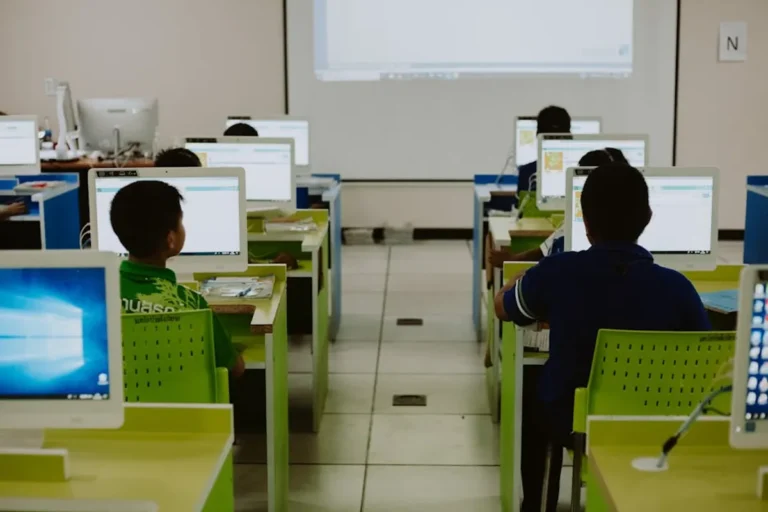

Choosing an international school in Turkey involves navigating a complex landscape of curricula, locations, and educational philosophies. This guide provides a structured overview to help families identify the best fit for their child's academic and personal development. The decision requires evaluating academic rigor, extracurricular offerings, cultural integration, and financial implications, ensuring alignment with long-term educational goals.
Understanding the International School Landscape in Turkey
Turkey hosts a diverse array of international schools, primarily concentrated in major urban centers. These institutions cater to expatriate families, Turkish citizens seeking a foreign curriculum, and students aiming for higher education abroad. The schools differentiate themselves through curriculum choice, language of instruction, and accreditation bodies. Most operate independently from the Turkish national education system, though they must adhere to certain local regulations.
The primary appeal of international schools lies in their globally recognized curricula, often taught in English, French, or German. This provides continuity for transient families and a pathway to universities worldwide. Facilities typically exceed those found in local schools, offering advanced science labs, extensive sports complexes, and arts programs. Class sizes are generally smaller, fostering more individualized attention.
Key Considerations for Prospective Families
Selecting an international school demands a systematic approach, weighing several critical factors beyond just academic reputation.
Academic Standards and Outcomes
Evaluate the school's academic track record, including university acceptance rates and standardized test scores (e.g., IB Diploma, A-Levels, SAT). Look for transparency in reporting these metrics. Investigate the teacher-to-student ratio and the qualifications of the teaching staff, specifically their experience with international curricula. A strong academic program provides clear pathways to higher education and demonstrates a commitment to student success.
Extracurricular Programs and Facilities
A holistic education extends beyond the classroom. Assess the breadth and depth of extracurricular activities, including sports, arts, clubs, and community service initiatives. These programs contribute significantly to a child's social skills, leadership development, and personal interests. Inspect the school's facilities: libraries, sports fields, auditoriums, and technology infrastructure. Modern, well-maintained facilities support a dynamic learning environment.
School Culture and Community
The school's ethos and community play a crucial role in a child's adaptation and well-being. Consider the diversity of the student body, the school's approach to pastoral care, and opportunities for parent involvement. A welcoming and inclusive environment facilitates smoother transitions for new students and fosters a strong sense of belonging. Some schools emphasize specific values, such as global citizenship or environmental stewardship, which may align with family priorities.
Curriculum Options and Accreditation
The choice of curriculum is foundational, influencing teaching methodologies, assessment styles, and university pathways.
International Baccalaureate (IB)
Best for: Students seeking a comprehensive, inquiry-based education with a strong emphasis on critical thinking and global perspectives, often leading to university placements worldwide. The IB offers programs for primary (PYP), middle (MYP), and diploma (DP) years.
American Curriculum
Best for: Families planning to return to the U.S. or aiming for American universities. This curriculum typically follows a K-12 structure, with Advanced Placement (AP) courses for college credit. Grading systems and subject progression often mirror U.S. standards.
British Curriculum
Best for: Students targeting British universities or those familiar with the UK education system. This curriculum culminates in IGCSEs (International General Certificate of Secondary Education) at age 16 and A-Levels (Advanced Level) at age 18, which are widely recognized for university entry.
German, French, and Other National Curricula
Best for: Families from specific countries who wish to maintain their national educational standards and language, often with the intention of re-integrating into their home country's system or attending universities there. These schools typically teach in their respective national languages.
Pro Tip: Always verify a school's accreditation status with the relevant international bodies (e.g., CIS, NEASC, COBIS, WASC, MSA). Accreditation ensures adherence to quality standards and facilitates the transfer of credits between international schools and universities.
Geographic Hubs for International Education
The availability and type of international schools vary significantly by region within Turkey.
Istanbul
As Turkey's largest city, Istanbul offers the widest selection of international schools, including those following IB, American, and British curricula. Schools are spread across both European and Asian sides, often concentrated in expat-heavy districts. Options range from large, well-established institutions to smaller, more specialized schools. As Turkey's largest city, Istanbul offers the widest selection of international schools, including those following IB, American, and British curricula.
Ankara
The capital city, Ankara, hosts several reputable international schools, largely serving the diplomatic and expatriate community. These schools often feature strong academic programs and diverse student bodies, though the overall number of choices is smaller than in Istanbul.
Izmir and Other Coastal Cities
Coastal regions like Izmir, Antalya, and Bodrum have a growing number of international schools, catering to families drawn by tourism, retirement, or remote work opportunities. These schools may offer a more relaxed environment but might have fewer curriculum options compared to the major cities.
Application Process and Financial Planning
The application process for international schools typically involves several steps and requires careful financial consideration.
Common application requirements include:
- Completed application form
- Previous school reports/transcripts (translated if necessary)
- Student passport/ID copy
- Parent/guardian passport/ID copy
- Recommendation letters from previous teachers
- Entrance examinations (for English proficiency, math, and other subjects)
- Interview with the student and/or parents
- Immunization records
Tuition fees for international schools in Turkey can range significantly, from moderate to premium, depending on the school's reputation, curriculum, facilities, and location. Beyond tuition, families should budget for registration fees, annual capital levies, uniforms, textbooks, extracurricular activities, and transportation. Scholarships or financial aid are occasionally available but are highly competitive and limited.
Making the Right Choice for Your Child
Selecting an international school is a significant investment in your child's future. Begin the process early, ideally 12-18 months before the desired enrollment date, especially for popular schools or specific grade levels. Schedule school visits, speak with current parents and students, and thoroughly review school policies and handbooks. Prioritize schools that align with your child's learning style, your family's values, and your long-term educational and career aspirations. A well-researched decision ensures a positive and enriching educational experience.
Frequently Asked Questions
What is the average tuition cost for international schools in Turkey?
Tuition fees vary widely, typically ranging from $10,000 to $30,000 USD per year, depending on the school's prestige, curriculum, and location. This figure often excludes additional fees for registration, uniforms, and extracurriculars.
Are international schools in Turkey bilingual?
While the primary language of instruction is usually English, French, or German, many international schools offer Turkish language classes. Some schools may also incorporate elements of Turkish culture and history into their curriculum.
How early should I apply for admission?
It is advisable to begin the application process 6 to 12 months in advance of the desired start date, particularly for highly sought-after schools or specific grade levels that may have waiting lists.
Do international schools accept students mid-year?
Many international schools accommodate mid-year admissions, especially for expatriate families relocating due to work. However, this is subject to space availability and the school's specific enrollment policies.