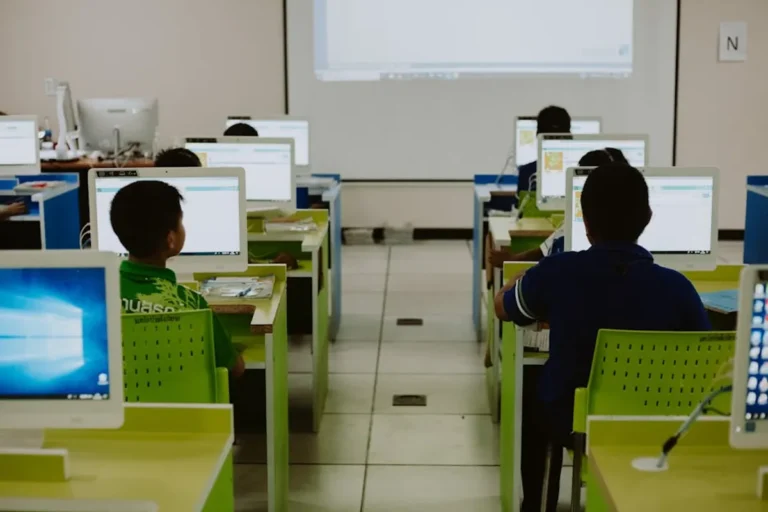

Families considering private education in Turkey face a significant financial decision, with costs varying widely based on numerous factors. Understanding the structure and drivers of these fees is essential for effective budget planning and selecting a school that aligns with both educational aspirations and financial realities. This guide outlines the key components influencing private school fees across Turkey, offering a clear framework for prospective parents to evaluate their options. Prospective parents often weigh the differences between private versus public education when making this choice.
Factors Influencing Private School Fees in Turkey
The cost of private education in Turkey is not uniform. Several core elements dictate the fee structure, making it imperative to assess each school individually.
Location and City
Geographic location plays a primary role in fee determination. Schools situated in major metropolitan areas such as Istanbul, Ankara, and Izmir typically command higher fees due to increased operational costs, higher real estate values, and a greater demand for premium educational services. Within these cities, schools in affluent districts often have higher price points compared to those in more suburban or less central areas. Conversely, private schools in smaller cities or rural regions generally present more modest fee structures.
Curriculum Type
The educational curriculum offered is a major cost differentiator. Schools adhering strictly to the Turkish Ministry of National Education (MEB) curriculum generally have lower fees than those offering international programs. International schools, which often provide curricula like the International Baccalaureate (IB), American, British (IGCSE/A-Levels), German, or French systems, incur higher costs. These institutions typically require internationally certified teaching staff, specialized resources, and accreditation fees, all of which are reflected in their tuition.
Cost impact: International curricula often lead to fees that are 50-150% higher than national private schools, particularly for high school programs.
School Facilities and Resources
The breadth and quality of a school's facilities directly influence its fee structure. Schools boasting extensive campuses, state-of-the-art science laboratories, advanced technology infrastructure, dedicated art and music studios, Olympic-sized swimming pools, sports complexes, and comprehensive libraries require substantial investment to maintain and upgrade. These amenities contribute to a richer educational experience but come with a higher price tag. Schools with fewer specialized facilities or smaller campuses often present more budget-friendly options.
Grade Level
Fees typically escalate with each successive grade level. Preschool and kindergarten programs are generally the least expensive, with costs progressively increasing through primary, middle, and high school. This progression reflects the growing complexity of the curriculum, the need for specialized subject teachers, and the increased resource allocation per student in higher grades. High school fees, especially for programs leading to international university admissions, are usually the highest.
Reputation and Exclusivity
Established private schools with long histories, strong academic track records, and prestigious alumni networks often charge premium fees. Their reputation for academic excellence, character development, and university placement success allows them to command higher prices. These schools may also offer a more exclusive educational environment, attracting families seeking specific social or academic advantages.
Typical Fee Structure Components
Beyond the headline tuition figure, private school fees in Turkey often comprise several additional mandatory and optional charges. A comprehensive understanding of these components is vital for accurate financial planning. Exploring financial aid opportunities can make private education more accessible for families.
- Tuition Fees: The primary cost, covering core academic instruction.
- Registration/Enrollment Fees: A one-time fee for new students or an annual re-enrollment fee.
- Books and Materials: Often an additional charge, covering textbooks, workbooks, and classroom supplies.
- Uniforms: Mandatory for most private schools, purchased separately from approved vendors.
- Transportation: Optional bus services are common, with fees varying based on distance and route.
- Meals: Optional lunch programs are available at most schools, charged separately on a daily, monthly, or annual basis.
- Extracurricular Activities: While some basic clubs may be included, specialized activities (e.g., private music lessons, advanced sports training, international trips) often incur extra costs.
- Exam Fees: For international curricula, external examination fees (e.g., IB, SAT, A-Levels) are typically borne by the parents.
Pro Tip: When comparing private schools, always request a detailed breakdown of all potential costs, not just the base tuition. Hidden fees for registration, uniforms, books, and mandatory activities can significantly inflate the total annual expenditure.
Financial Considerations and Planning
Strategic financial planning can help mitigate the burden of private school fees. Families should explore various payment options and potential cost-saving opportunities.
Many private schools offer:
- Early Enrollment Discounts: Reduced fees for students who register and pay deposits well in advance of the academic year.
- Sibling Discounts: A percentage reduction in tuition for families enrolling multiple children.
- Payment Plans: Options to pay fees in monthly, quarterly, or semi-annual installments, providing greater flexibility than a single annual payment.
- Scholarship Opportunities: Some schools offer academic scholarships for high-achieving students, need-based financial aid, or scholarships for specific talents (e.g., sports, arts). These are typically competitive and require separate applications.
For international schools, be aware of exchange rate fluctuations if fees are quoted in foreign currencies (e.g., USD, EUR) but paid in Turkish Lira. Additionally, anticipate annual fee increases, which are common across all private schools to account for inflation, salary adjustments, and operational cost rises.
Strategic Financial Planning for Private Education
Navigating the financial landscape of private education in Turkey requires proactive research and careful budgeting. Begin by identifying schools that align with your educational goals and then meticulously compare their full fee structures, not just the advertised tuition. Inquire about all potential additional costs, payment plans, and any available discounts or scholarships. Understanding the total financial commitment upfront allows families to make informed decisions, ensuring a sustainable and rewarding private school experience for their children.
Frequently Asked Questions
Are private school fees tax deductible in Turkey?
No, private school fees are generally not tax deductible for individuals in Turkey. Tax incentives related to education are typically limited to specific government-supported programs or institutions, not private school tuition.
Do international schools have higher fees than national private schools?
Yes, international schools in Turkey almost universally have higher fee structures compared to private schools that follow the national Turkish Ministry of National Education (MEB) curriculum. This is due to factors like international accreditation, foreign teacher salaries, and specialized resources.
What is the typical annual increase in private school fees?
Annual fee increases in private schools in Turkey typically range from 10% to 30%, influenced by inflation rates, economic conditions, and the school's operational costs. Schools are often subject to regulations regarding maximum permissible increases.
Are scholarships widely available for private schools in Turkey?
Scholarships are available at many private schools in Turkey, but their availability and criteria vary significantly. They are often competitive, primarily merit-based (academic, athletic, artistic), or sometimes need-based. It's best to inquire directly with each school regarding their specific scholarship programs and application processes.