Navigating the educational landscape in Turkey presents parents with a pivotal choice: private or public schooling. This decision is not merely about tuition fees; it involves fundamental differences in curriculum, pedagogical approach, resource availability, and long-term academic and social outcomes. Understanding these distinctions is crucial for aligning a school environment with a child's individual needs, family values, and future aspirations. Each system offers unique strengths and presents specific considerations that warrant careful evaluation. Understanding these distinctions is crucial for aligning a school environment with a child's individual needs, family values, and future aspirations, including awareness of the associated costs.
Curriculum Structure and Educational Philosophy
The core academic framework significantly differentiates public and private institutions in Turkey. Public schools strictly adhere to the national curriculum mandated by the Ministry of National Education (MEB). This standardized curriculum emphasizes a broad range of subjects, with a strong focus on Turkish language, literature, mathematics, science, and social studies. The teaching methodology often involves traditional classroom instruction, preparing students primarily for national university entrance examinations (YKS).
Private schools, while often incorporating elements of the national curriculum, frequently offer enhanced or alternative programs. Many private institutions provide international curricula, such as the International Baccalaureate (IB), American High School Diploma, or British IGCSE/A-Level programs. These curricula typically promote critical thinking, inquiry-based learning, and interdisciplinary studies. Some private schools also integrate advanced technology, project-based learning, or specialized arts and sports programs directly into their academic framework, aiming for a more holistic and globally-oriented education.
- Public Schools:
- Standardized national curriculum (MEB).
- Focus on national university entrance exam preparation.
- Traditional instruction methods.
- Private Schools:
- Option for international curricula (IB, American, British).
- Enhanced national curriculum with supplementary subjects.
- Emphasis on critical thinking, project-based learning, and technology integration.
Facilities, Resources, and Learning Environment
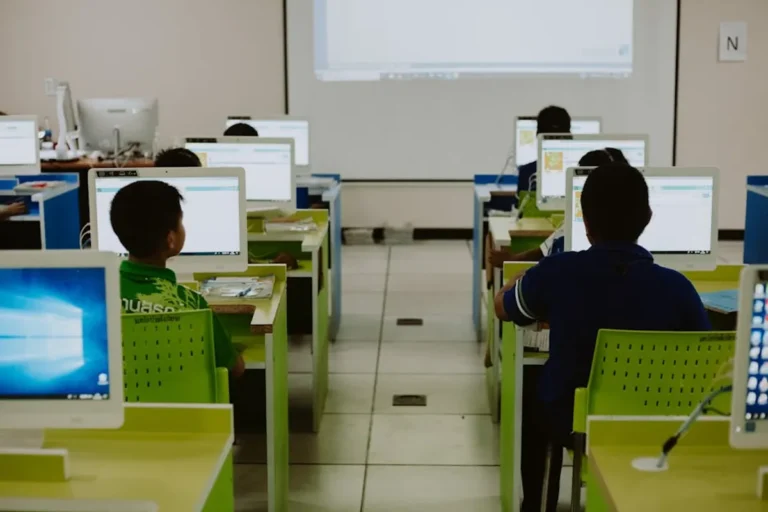
The physical infrastructure and available resources play a substantial role in the learning experience. Public schools typically provide essential facilities like classrooms, libraries, and basic sports areas. Resource allocation is standardized across the public system, meaning access to advanced laboratories, specialized art studios, or extensive sports complexes can be limited and vary by location.
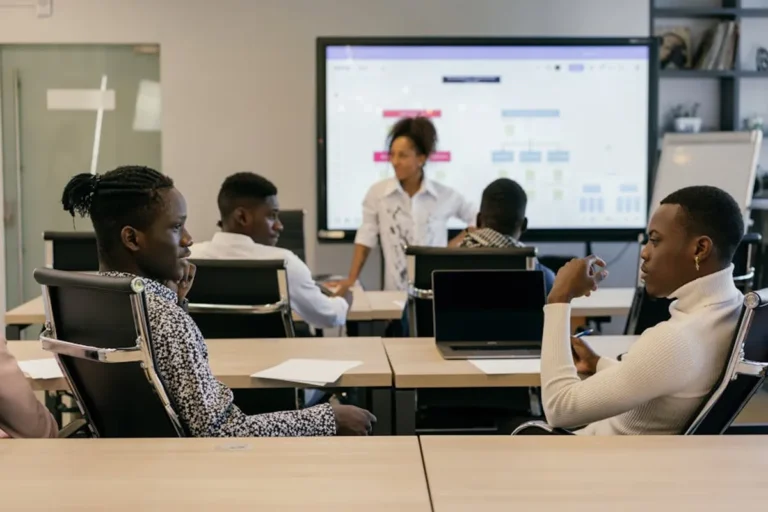
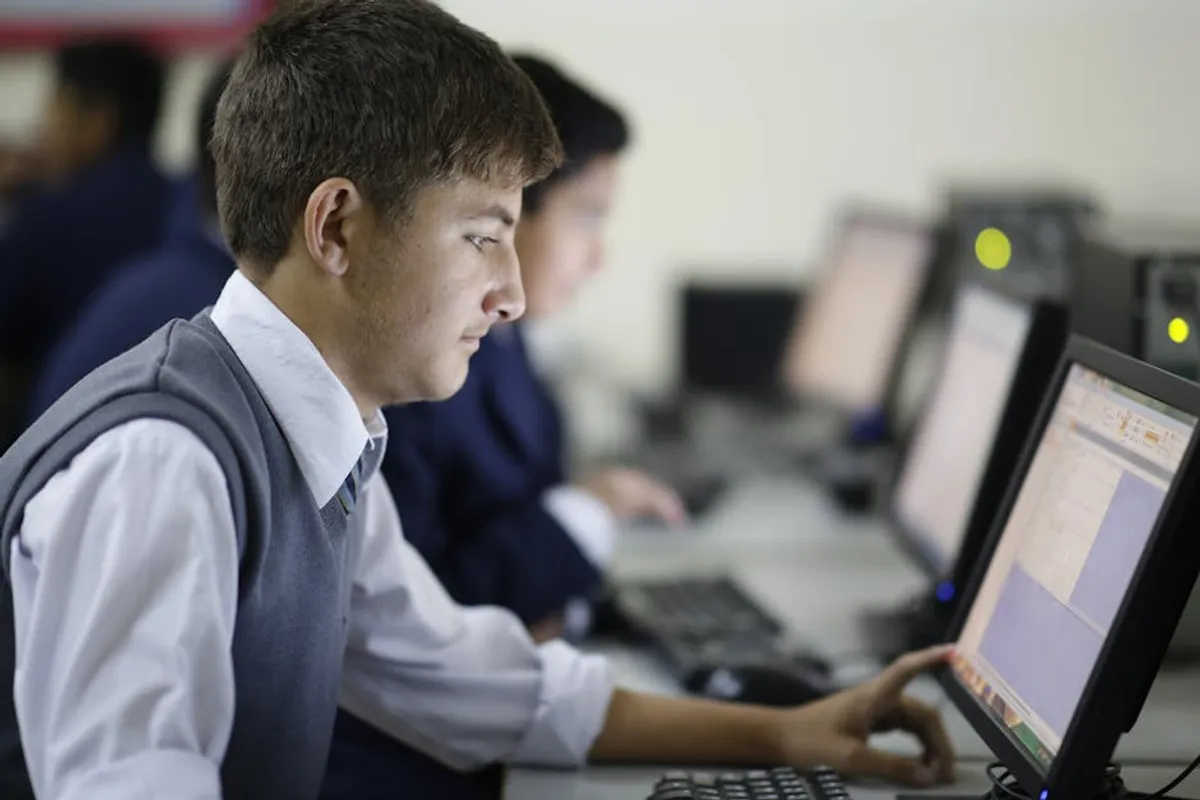
Private schools generally invest heavily in modern facilities and advanced resources. This often includes state-of-the-art science and computer labs, dedicated art and music rooms, extensive sports complexes (gymnasiums, swimming pools, athletic fields), and well-stocked libraries with digital resources. The learning environment in private schools often features smaller class sizes, which can facilitate more individualized attention from teachers and foster a more interactive classroom dynamic. Technology integration, such as smart boards, individual computing devices, and specialized educational software, is also more prevalent in private settings.
Pro Tip: When evaluating school facilities, look beyond the initial impression. Investigate the utilization rates of specialized labs and sports facilities, the student-to-computer ratio, and the accessibility of digital learning platforms. A well-equipped facility is only beneficial if it is actively integrated into the daily curriculum.
Language of Instruction and International Exposure
Language proficiency is a key differentiator, particularly for families considering international higher education or careers. Public schools primarily conduct instruction in Turkish, with English taught as a secondary language. The depth and quality of English language instruction can vary significantly across public institutions.
Many private schools, especially those offering international curricula, provide bilingual or English-medium instruction from an early age. This approach aims to cultivate fluency in English alongside Turkish, preparing students for university programs abroad or within international departments in Turkey. Some private schools also offer additional foreign languages like German, French, or Spanish, providing broader linguistic exposure and cultural understanding.
Cost Implications and Accessibility
The financial aspect is often the primary consideration for families. Public education in Turkey is tuition-free, making it accessible to all citizens. The only costs typically incurred are for school supplies, uniforms (if required), and occasional extracurricular activities.
Private schools involve significant tuition fees, which vary widely based on the school's reputation, facilities, curriculum (national vs. international), and location. These fees often cover tuition, meals, and basic activity costs, but additional expenses for uniforms, transportation, specialized extracurriculars, and international exam fees can accumulate. While some private schools offer scholarships based on academic merit or financial need, the overall cost remains a substantial investment for most families.
Best for:
- Public Schools: Families prioritizing free education, adherence to national standards, and a strong foundation in Turkish language and culture.
- Private Schools: Families seeking international curricula, advanced facilities, bilingual education, and specialized programs, willing to invest financially in these offerings.
Admissions Process and Student Demographics
The path to enrollment differs between the two systems. Public school admissions are generally based on a student's residential address, with specific schools assigned to geographic zones. For secondary education, national examinations (LGS for high school) determine placement into more competitive public high schools.
Private schools typically have their own admissions processes, which often include entrance examinations, interviews with students and parents, and a review of previous academic records. Some private schools may prioritize siblings of current students or children of alumni. The student demographic in private schools often reflects a more diverse socioeconomic background, particularly in international schools which attract students from expatriate families and globally-minded Turkish families.
Making an Informed Educational Choice
The decision between a private and public school in Turkey requires a comprehensive assessment of several factors unique to each family. Consider the child's learning style, academic strengths, and social preferences. Evaluate the family's financial capacity for tuition and associated costs, and determine the importance of factors like international curriculum options, language of instruction, and access to specialized facilities. Engage in school visits, speak with current parents and educators, and review school performance data. Ultimately, the most suitable choice is the one that best supports the child's development and aligns with the family's educational philosophy and long-term goals. Engage in school visits, speak with current parents and educators, and review school performance data to gather answers to key questions to ask before choosing a school.
Frequently Asked Questions
Q: Do public schools in Turkey prepare students for university abroad?
A: Public schools primarily focus on the national curriculum and YKS exams for Turkish universities. While a strong academic foundation is provided, students aiming for international universities may need supplementary preparation for standardized tests like SAT or TOEFL, and often benefit from additional language support not consistently offered in public settings.
Q: Are private schools always better academically than public schools?
A: Not necessarily. While private schools often offer more resources and specialized curricula, academic success is highly dependent on individual student effort, teacher quality, and school culture. Many public schools, particularly selective Anatolian and Science High Schools, consistently achieve high academic results and prepare students effectively for top universities in Turkey.
Q: What are the main financial differences beyond tuition fees for private schools?
A: Beyond tuition, private school costs can include registration fees, uniforms, textbooks, transportation, meals, technology fees, specialized extracurricular activities (e.g., advanced sports, music lessons), and fees for international exams (e.g., IB, A-Levels). These can add substantially to the overall annual expense.
Q: How do class sizes compare between the two systems?
A: Public schools in Turkey generally have larger class sizes, often ranging from 30 to 40+ students, especially in urban areas. Private schools typically maintain smaller class sizes, often between 15 and 25 students, allowing for more individualized teacher-student interaction and personalized instruction.