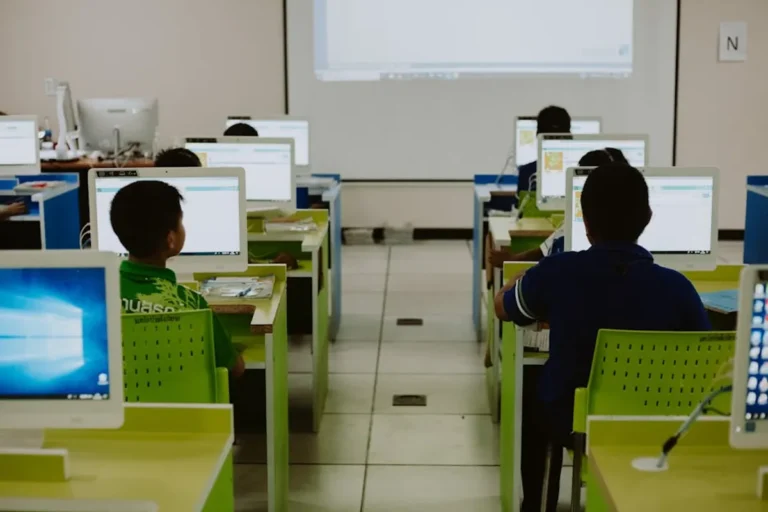

Navigating the landscape of private education in Turkey involves a clear understanding of the financial commitments required. For parents considering private schools, the decision extends beyond academic programs and facilities; it fundamentally hinges on the total cost of attendance. Fees for private schools in Turkey are not uniform, varying significantly based on multiple factors, and a comprehensive financial overview is essential for effective budgeting and school selection. This article outlines the key components of private school fees, the variables that influence them, and practical considerations for prospective families. Understanding the specific costs involved is key, and you can find a detailed breakdown of the fees for private schools in Izmir to aid your search.
Factors Influencing Private School Fees in Turkey
The cost structure of private education in Turkey is influenced by several distinct factors, each contributing to the overall fee schedule. Understanding these variables provides a framework for anticipating expenses.
Geographic Location
Schools situated in major metropolitan centers, particularly Istanbul, Ankara, and Izmir, consistently command higher tuition fees. This premium reflects increased operational costs in these cities, including higher rents, salaries for experienced educators, and greater demand for private education. Conversely, private schools in smaller cities or more rural areas typically present lower fee structures due to reduced overheads and local market dynamics.
Curriculum Type and Accreditation
The type of curriculum offered is a significant determinant of fees. Schools following international curricula, such as the International Baccalaureate (IB), American, or British systems, generally have higher fees compared to those primarily adhering to the Turkish Ministry of National Education curriculum. This is attributable to specialized teaching staff, international accreditation requirements, specific learning materials, and often, smaller class sizes. Bilingual or multilingual programs also tend to incur higher costs.
School Reputation and Facilities
Established schools with a long history, strong academic performance records, and extensive alumni networks often charge higher fees. Beyond reputation, the quality and breadth of facilities play a crucial role. Schools offering state-of-the-art science labs, extensive sports complexes, performing arts centers, technology-integrated classrooms, and expansive campuses typically have higher fee structures to support these amenities and their maintenance. The teacher-to-student ratio also impacts fees, with lower ratios often indicating more personalized attention and, consequently, higher tuition.
Grade Level
Fees are generally staggered by grade level. Kindergarten and primary school fees might be lower than those for middle school, which in turn are often less than high school fees. This progression reflects the increasing complexity of the curriculum, specialized subject teachers, and greater resource allocation required for older students, particularly those preparing for university entrance examinations.
Components of Private School Costs
Beyond the headline tuition figure, private school fees in Turkey often comprise several distinct charges. A detailed breakdown helps in understanding the total financial commitment.
Tuition Fees
This is the primary charge, covering core academic instruction. Tuition fees vary widely, ranging from approximately ₺100,000 to over ₺800,000 per academic year, depending on the factors outlined above. International schools, especially those in Istanbul, frequently fall into the higher end of this spectrum.
Additional Mandatory Costs
Several charges are typically compulsory and added to the base tuition:
- Registration/Enrollment Fees: A one-time or annual fee for administrative processing.
- Uniforms: Required for most private schools, costs vary based on the number of items purchased and school-specific suppliers.
- Books and Materials: Textbooks, workbooks, and specialized learning materials, which can be substantial, especially for international curricula.
- Technology Fees: Covering access to digital learning platforms, school-issued devices, or IT infrastructure maintenance.
- Activity Fees: Often a lump sum covering basic extracurricular activities, field trips, and school events.
Optional Services
These services provide convenience but add to the overall expense:
- Transportation: School bus services, with costs varying based on distance and route.
- Meals: Daily lunch and snack programs, offered as an additional service.
- Extracurricular Activities: Specialized clubs, advanced sports training, or private music lessons beyond the standard offerings.
- After-School Care: Programs for students needing supervision outside regular school hours.
Pro Tip: When evaluating private school fees, always request a comprehensive, itemized breakdown of all mandatory and optional costs for the entire academic year. Some schools may present a lower base tuition but have higher ancillary fees, making direct comparisons difficult without full transparency.
Payment Structures and Financial Aid
Schools often provide various payment options and, in some cases, financial assistance to help families manage costs.
Installment Plans and Discounts
Many private schools offer installment plans, allowing parents to pay tuition in monthly or quarterly segments rather than a single lump sum. Early bird discounts for prompt registration or full upfront payment are also common. Sibling discounts, typically a percentage reduction for the second or third child enrolled from the same family, can provide significant savings.
Scholarships and Bursaries
A limited number of private schools offer scholarships based on academic merit, artistic talent, or athletic achievement. Need-based bursaries, which provide financial assistance to families demonstrating genuine financial need, are less common but do exist, particularly in more established or internationally focused institutions. Eligibility criteria are often stringent and require detailed financial disclosures.
Navigating the Application and Enrollment Process
A structured approach to application and enrollment can streamline the process and help manage financial expectations.
Early Planning and Budgeting
Begin researching schools and their fee structures well in advance of the application period. Create a detailed budget that accounts for tuition, mandatory fees, and potential optional services. This proactive approach helps identify schools that align with your financial capacity.
School Visits and Interviews
Visiting prospective schools allows for a direct assessment of facilities, atmosphere, and educational philosophy. During these visits, engage with admissions staff to clarify all fee-related questions, payment schedules, and financial aid opportunities. Interviews often provide an opportunity to discuss specific family circumstances.
Understanding Contracts and Policies
Before signing any enrollment contracts, thoroughly review all terms and conditions, especially those pertaining to payment schedules, refund policies, and withdrawal procedures. Understand any penalties for late payments or early withdrawal to avoid unforeseen financial liabilities.
Making an Informed Financial Decision
Selecting a private school in Turkey involves a significant financial commitment that demands careful consideration. Beyond the academic and social benefits, a clear understanding of the full cost of attendance, including all mandatory and optional fees, is paramount. Families should prioritize transparency from schools regarding their fee structures and actively seek out any available financial aid or flexible payment options. A well-informed decision ensures that the chosen educational path is sustainable and aligned with long-term financial planning.
Frequently Asked Questions
What is the typical range for private school tuition in Turkey?
Tuition fees for private schools in Turkey can range from approximately ₺100,000 to over ₺800,000 per academic year, with international schools and those in major cities typically at the higher end.
Are uniforms and books usually included in tuition fees?
No, uniforms and books are generally not included in the base tuition fee. These are typically separate, mandatory costs that families must budget for in addition to tuition.
Can I pay private school fees in installments?
Many private schools in Turkey offer installment plans, allowing parents to pay tuition in monthly, quarterly, or other structured payments throughout the academic year.
Are scholarships available for private schools in Turkey?
Yes, some private schools offer scholarships based on academic merit, specific talents, or, less commonly, financial need. Eligibility criteria and availability vary significantly by institution.