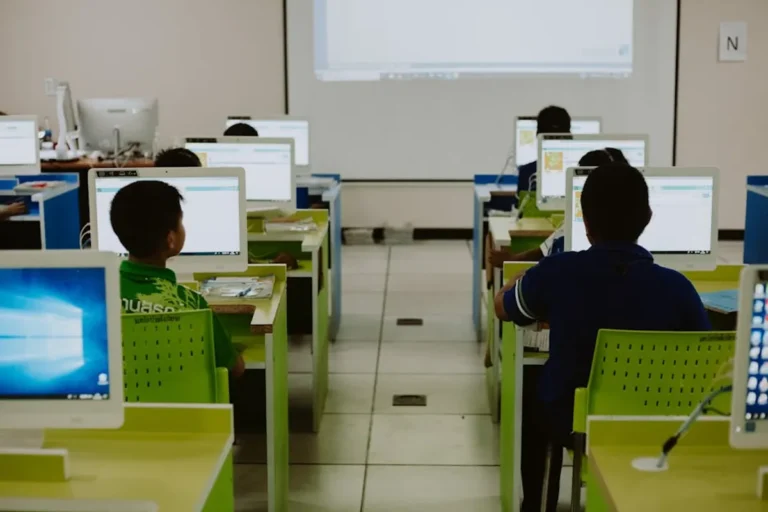

Choosing the right school in Izmir involves a detailed assessment of multiple factors, extending beyond academic reputation to encompass financial commitment, pedagogical approach, and entry requirements. Families face a landscape of options, from institutions offering international curricula to those rooted in the Turkish national system, each with distinct philosophies and operational models. Understanding these differences is critical for aligning a school's offerings with a child's learning style, future aspirations, and the family's logistical and budgetary parameters. This guide provides a structured overview to assist in navigating Izmir's private and international school sector, focusing on the practical considerations of fees, curriculum structure, and the admissions journey.
What to Consider When Evaluating Schools
Before delving into specific institutions, establish clear criteria based on your family's priorities. This foundational step streamlines the selection process and prevents decision fatigue. Key areas for evaluation include:
- Educational Philosophy: Does the school emphasize rote learning, critical thinking, project-based work, or a blend? Is it inquiry-driven, traditional, or progressive? Align this with your child's learning style and your long-term educational goals.
- Curriculum Framework: Identify whether the school follows the Turkish National Curriculum, International Baccalaureate (IB), American, British, or another international program. Each framework has distinct academic rigor, assessment methods, and university recognition.
- Fee Structure and Financial Transparency: Beyond tuition, inquire about registration fees, activity fees, uniform costs, transportation, meals, and any potential hidden charges. Understand the payment schedule and any discount policies.
- Admissions Process: Research application deadlines, required documents, entrance exams (academic or psychological), interviews, and language proficiency tests. Some schools have rolling admissions, while others adhere to strict annual cycles.
- Faculty Qualifications and Experience: Investigate teacher-to-student ratios, faculty credentials, and professional development programs. Experienced and well-supported educators directly impact student outcomes.
- Campus Facilities and Resources: Evaluate classrooms, laboratories, libraries, sports facilities, arts studios, and technological infrastructure. These resources contribute to a holistic learning environment.
- Extracurricular Activities: A robust program of sports, arts, clubs, and community service opportunities enriches student life and fosters skill development beyond academics.
- Location and Transportation: Consider the school's proximity to your home or work, and the availability of safe and reliable transportation options.
- Student Support Services: Look for provisions for special educational needs, counseling services, career guidance, and English as an Additional Language (EAL) support if applicable.
- Parental Involvement: Understand the school's approach to parent-teacher communication, volunteer opportunities, and community engagement.
1. Izmir International Academy
Izmir International Academy is positioned as a premier institution offering a comprehensive international education pathway from early years through high school. It is known for its commitment to the International Baccalaureate (IB) program across all three levels: Primary Years Programme (PYP), Middle Years Programme (MYP), and Diploma Programme (DP). The academy emphasizes inquiry-based learning, critical thinking, and global citizenship, attracting a diverse student body from expatriate and internationally-minded local families. Its pedagogical approach focuses on developing well-rounded individuals prepared for global universities.
Best for: Families seeking a full IB continuum education with a strong emphasis on international perspectives and university readiness for global institutions.
Pros: Full IB program authorization provides a consistent educational philosophy; diverse student body fosters multicultural understanding; strong university guidance counseling for international applications; modern facilities supporting various learning styles.
Cons: Fees are at the highest tier within Izmir's private school market; admissions are highly competitive with stringent academic and English proficiency requirements; curriculum may be less suitable for students intending to exclusively pursue Turkish universities without supplemental preparation.
Verdict: A robust choice for families prioritizing an internationally recognized curriculum and a globally-oriented educational experience, provided budget and admissions criteria are met.
2. Ege Maarif Koleji
Ege Maarif Koleji operates as a well-established private Turkish school, integrating elements of modern educational practices with the Turkish National Curriculum. It provides education from kindergarten to high school, focusing on strong academic foundations in Turkish, mathematics, and sciences, complemented by robust English language instruction. The school aims to prepare students for both Turkish university entrance exams (YKS) and offers pathways for international university applications through supplementary programs. Its emphasis on national values alongside contemporary learning methodologies distinguishes its approach.
Best for: Families seeking a high-quality Turkish National Curriculum education with enhanced English language programs and a pathway to both local and international universities.
Pros: Strong track record in Turkish university placements; balanced curriculum with significant English language exposure; established reputation and community network; generally more accessible fee structure compared to full international schools.
Cons: Primary focus remains on the Turkish national system, potentially requiring additional preparation for non-Turkish university systems; class sizes can be larger than some boutique international schools; admissions process often involves competitive entrance examinations.
Verdict: A reliable institution for families who value a strong Turkish academic background combined with opportunities for global engagement, offering a blend of national identity and international outlook.
3. Bostanlı Bilim Okulları
Bostanlı Bilim Okulları specializes in STEM (Science, Technology, Engineering, Mathematics) education, catering to students from primary through high school who demonstrate a strong aptitude and interest in these fields. The curriculum, while adhering to the Turkish National Curriculum, is significantly enriched with project-based learning, robotics, coding, and advanced laboratory work. The school invests heavily in technological infrastructure and specialized teaching staff to foster innovation and problem-solving skills. Its mission is to cultivate future scientists, engineers, and technology leaders.
Best for: Students with a pronounced interest and talent in STEM subjects, whose families prioritize an education focused on scientific inquiry and technological literacy.
Pros: Advanced STEM facilities and specialized labs; curriculum enrichment in coding, robotics, and scientific research; experienced faculty with backgrounds in STEM fields; strong emphasis on critical thinking and practical application.
Cons: Curriculum might be less balanced for students with primary interests in humanities or arts; tuition fees are higher than standard private Turkish schools due to specialized resources; admissions are selective, often requiring aptitude tests in science and math.
Verdict: An excellent option for nurturing young minds destined for STEM careers, offering an immersive and advanced learning environment tailored to scientific and technological exploration.
4. Karşıyaka Çağdaş Lisesi
Karşıyaka Çağdaş Lisesi is a well-regarded high school known for its progressive educational philosophy and strong emphasis on arts and humanities alongside academic rigor. While following the Turkish National Curriculum, the school integrates contemporary teaching methods, encourages independent research, and offers a wide array of elective courses in literature, philosophy, visual arts, and performing arts. It aims to develop articulate, culturally aware, and socially responsible citizens, preparing them for both university and active participation in society.
Best for: High school students with strong interests in humanities, arts, and social sciences, seeking a balanced education that values critical discourse and creative expression.
Pros: Rich elective programs in arts and humanities; focus on critical thinking and analytical writing; supportive environment for student-led initiatives and social projects; solid preparation for university entrance exams with a broader intellectual foundation.
Cons: May not be the primary choice for students solely focused on intensive STEM preparation; facilities might be more modest compared to newer, purpose-built campuses; admissions can be competitive, often requiring interviews and academic records.
Verdict: A compelling choice for intellectually curious students who thrive in an environment that champions both academic achievement and a deep appreciation for culture and critical thought.
5. Bornova Sanat ve Teknoloji Okulu
Bornova Sanat ve Teknoloji Okulu offers a unique blend of arts and technology education, recognizing the growing convergence of these fields in the modern economy. This institution provides a curriculum that integrates design thinking, digital art, media production, and performing arts with a strong foundation in core academic subjects. It aims to foster creativity, innovation, and technical proficiency, preparing students for careers in creative industries, digital media, and technology-driven design. The school features specialized studios, labs, and performance spaces.
Best for: Creatively inclined students who also possess an interest in leveraging technology for artistic expression and innovation, preparing for careers in design, media, and digital arts.
Pros: Innovative curriculum bridging arts and technology; state-of-the-art facilities for digital media, design, and performance; faculty with professional experience in creative industries; emphasis on portfolio development and practical skills.
Cons: Specialized focus may mean less emphasis on traditional academic subjects for some students; tuition fees reflect the investment in specialized equipment and faculty; admissions often involve a portfolio review or aptitude test in creative fields.
Verdict: An ideal environment for artistic and technologically savvy students, offering a forward-looking education that prepares them for the demands of the creative economy.
6. Alsancak Gelişim Okulları
Alsancak Gelişim Okulları is a well-regarded private school system located centrally, known for its strong academic results and a balanced approach to student development. It offers education from pre-school through high school, following the Turkish National Curriculum while incorporating modern pedagogical methods and supplementary English language programs. The school emphasizes character development, leadership skills, and community engagement alongside academic excellence, aiming to produce well-rounded individuals ready for university and civic life.
Best for: Families in central Izmir seeking a reputable private Turkish school with a balanced curriculum, strong academic support, and a focus on holistic student development.
Pros: Convenient central location; consistent academic performance and university placement rates; emphasis on character building and leadership through extracurriculars; experienced teaching staff and established educational framework.
Cons: Facilities may be more vertically oriented due to urban location, potentially limiting expansive outdoor spaces; class sizes can be moderate; admissions are competitive, often requiring entrance exams and interviews.
Verdict: A solid and reliable choice for families prioritizing a strong academic foundation within the Turkish system, coupled with a focus on personal growth and community involvement.
7. Narlıdere Özel Eğitim Kurumu
Narlıdere Özel Eğitim Kurumu is a specialized institution dedicated to providing tailored educational programs for students with specific learning needs or mild to moderate developmental differences. The school operates with smaller class sizes, individualized education plans (IEPs), and a team of special education teachers, therapists, and support staff. Its curriculum is adapted to meet individual student goals, focusing on academic progress, life skills, and social-emotional development in a supportive and inclusive environment. The aim is to maximize each student's potential and foster independence.
Best for: Students requiring specialized educational support, individualized learning plans, and a nurturing environment designed to accommodate specific learning challenges.
Pros: Highly individualized instruction and small class sizes; dedicated special education professionals and therapists; focus on holistic development, including life skills and social integration; supportive and understanding school community.
Cons: Fees are typically higher due to specialized staffing and resources; capacity is limited, leading to selective admissions based on student needs and school suitability; curriculum is highly adapted and may not align with standard academic tracks.
Verdict: An essential resource for families seeking a dedicated and expert-led educational environment for children with special learning requirements, offering personalized support for optimal development.
8. Urla Denizcilik Lisesi
Urla Denizcilik Lisesi is a vocational high school offering specialized education in maritime studies, preparing students for careers in the shipping industry, port management, and related fields. The curriculum combines general academic subjects with intensive vocational training in navigation, marine engineering, logistics, and maritime law. The school features specialized workshops, simulators, and practical training opportunities, often including internships with maritime companies. It aims to equip graduates with both theoretical knowledge and practical skills required for immediate employment or further education in maritime academies.
Best for: Students with a clear interest in maritime careers, seeking a vocational high school education that provides direct pathways into the shipping and marine industries.
Pros: Highly specialized vocational training relevant to a growing industry; strong industry connections for internships and job placements; practical, hands-on learning experiences; potential for immediate employment upon graduation.
Cons: Curriculum is highly specialized, potentially limiting options for students who later decide against a maritime career; academic focus on non-maritime subjects may be less intensive than general high schools; admissions often involve physical aptitude tests and interviews.
Verdict: An excellent specialized institution for students committed to a career in the maritime sector, offering a direct and practical educational route into the industry.
9. Gaziemir Kültür Okulları
Gaziemir Kültür Okulları is a private school group providing education from pre-school to high school, known for its emphasis on cultural enrichment and strong community values alongside academic instruction. The curriculum follows the Turkish National framework but integrates extensive programs in Turkish arts, music, folklore, and drama. The school aims to instill a deep appreciation for Turkish culture and heritage while fostering critical thinking and academic achievement. It promotes a supportive family-like atmosphere.
Best for: Families who prioritize a strong cultural education rooted in Turkish heritage, alongside a solid academic foundation within the national curriculum.
Pros: Rich cultural arts programs and activities; strong community and family-oriented atmosphere; solid academic preparation for Turkish universities; generally mid-range fee structure, offering good value.
Cons: Less emphasis on international curricula or extensive foreign language programs compared to international schools; facilities may vary between branches; admissions typically require entrance exams and an interview to assess family alignment with school values.
Verdict: A strong contender for families seeking a culturally immersive and academically sound education within the Turkish system, fostering a sense of identity and community.
10. Konak Fen Bilimleri Lisesi
Konak Fen Bilimleri Lisesi is a specialized science high school (Fen Lisesi) designed for academically gifted students with a strong aptitude for science and mathematics. The curriculum is highly rigorous, exceeding the standard Turkish National Curriculum in depth and pace for science, math, and computer science subjects. The school aims to prepare students for top-tier Turkish universities, particularly in engineering, medicine, and pure sciences, and encourages participation in national and international science Olympiads. It attracts some of Izmir's brightest young minds.
Best for: Exceptionally gifted students in science and mathematics, whose families seek a highly rigorous academic environment focused on preparing for competitive university programs in STEM fields.
Pros: Highly advanced curriculum in science and mathematics; experienced and specialized faculty; strong track record of placing students in top Turkish university programs; competitive and intellectually stimulating peer environment.
Cons: Intense academic pressure and demanding workload; less emphasis on humanities, arts, or extensive extracurriculars compared to general high schools; admissions are highly selective, based on challenging entrance exams.
Verdict: The premier choice for academically elite students with a passion for STEM, offering an unparalleled level of rigor and preparation for scientific and technical university pathways in Turkey.
11. Çeşme Uluslararası İlkokulu
Çeşme Uluslararası İlkokulu, though located outside the immediate Izmir city center, serves families in the wider Izmir region, particularly those seeking an international primary education in a more serene coastal setting. It offers the International Primary Curriculum (IPC) or a similar international framework, focusing on inquiry-based learning, global perspectives, and holistic child development. The school emphasizes English language immersion and provides a nurturing environment for younger learners, often attracting expatriate families and those valuing a global early education.
Best for: Younger students (primary years) whose families desire an international curriculum, English immersion, and a supportive learning environment, particularly those residing in or near the Çeşme district.
Pros: International curriculum focused on early years development; strong English language immersion; smaller class sizes and personalized attention; scenic coastal location offering unique outdoor learning opportunities.
Cons: Limited to primary education, requiring a transition to another school for secondary levels; location may be less convenient for families in central Izmir; fees are at the higher end for primary education due to international framework.
Verdict: An excellent option for early years international education, providing a strong foundation for global learning in a distinct and supportive environment.
12. Menemen Tarım ve Doğa Okulu
Menemen Tarım ve Doğa Okulu is a vocational high school offering specialized education in agricultural sciences, environmental studies, and sustainable practices. The curriculum integrates traditional academic subjects with hands-on training in modern farming techniques, animal husbandry, horticulture, and ecological management. The school boasts extensive land for practical application, laboratories for agricultural science, and partnerships with local farms and environmental organizations. Its goal is to train a new generation of agricultural professionals and environmental stewards.
Best for: Students passionate about agriculture, environmental conservation, and sustainable living, seeking a vocational high school education with practical, field-based learning experiences.
Pros: Unique vocational specialization in agriculture and environmental science; extensive practical training facilities including farms and greenhouses; strong emphasis on sustainability and ecological awareness; potential for employment or further study in agricultural universities.
Cons: Highly specialized curriculum may not suit students without a clear interest in these fields; academic breadth in non-vocational subjects might be less extensive than general high schools; admissions may involve aptitude tests related to nature or practical skills.
Verdict: An ideal choice for students dedicated to agricultural and environmental careers, offering a unique blend of academic and practical training to address critical global challenges.
Making the Final Decision: A Strategic Approach
After reviewing potential schools, the decision-making process requires a systematic approach. Do not rely solely on online information or brochures. Schedule visits to shortlisted schools, ideally during school hours, to observe classrooms, interact with staff and students, and assess the overall atmosphere. Prepare a list of targeted questions regarding curriculum specifics, teacher qualifications, student support, and school policies. Engage with current parents if possible to gain firsthand insights into the school culture and daily operations.
Consider the long-term fit: a school that suits a child in primary years may not be the best fit for secondary education, especially if academic or career aspirations evolve. Evaluate the school's track record for university placements or vocational outcomes relevant to your child's potential future path. Finally, ensure financial feasibility for the entire duration of your child's education at the institution, accounting for potential fee increases and additional costs. A well-researched and thoughtful decision at this stage provides a stable and enriching educational foundation.
Frequently Asked Questions About Izmir Schools
What is the typical age range for private school admissions in Izmir?
Private schools in Izmir typically admit students from pre-school (ages 3-5) through high school (ages 14-18). Specific age cut-offs for each grade level align with national regulations or international curriculum standards.
Are entrance exams common for private schools in Izmir?
Yes, most reputable private schools, especially for primary and secondary levels, require entrance exams. These can assess academic aptitude in subjects like Turkish, mathematics, science, and English, or evaluate cognitive abilities and psychological readiness. Vocational and specialized schools may have specific aptitude tests.
What is the difference between the Turkish National Curriculum and an International Curriculum?
The Turkish National Curriculum is set by the Ministry of National Education, primarily conducted in Turkish, and prepares students for Turkish university entrance exams. International curricula (e.g., IB, American, British) are globally recognized, often taught in English, and designed to prepare students for international universities, with different