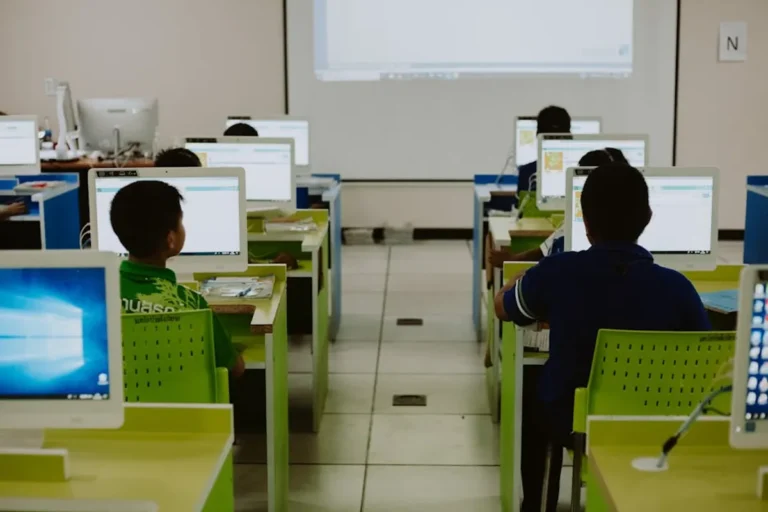
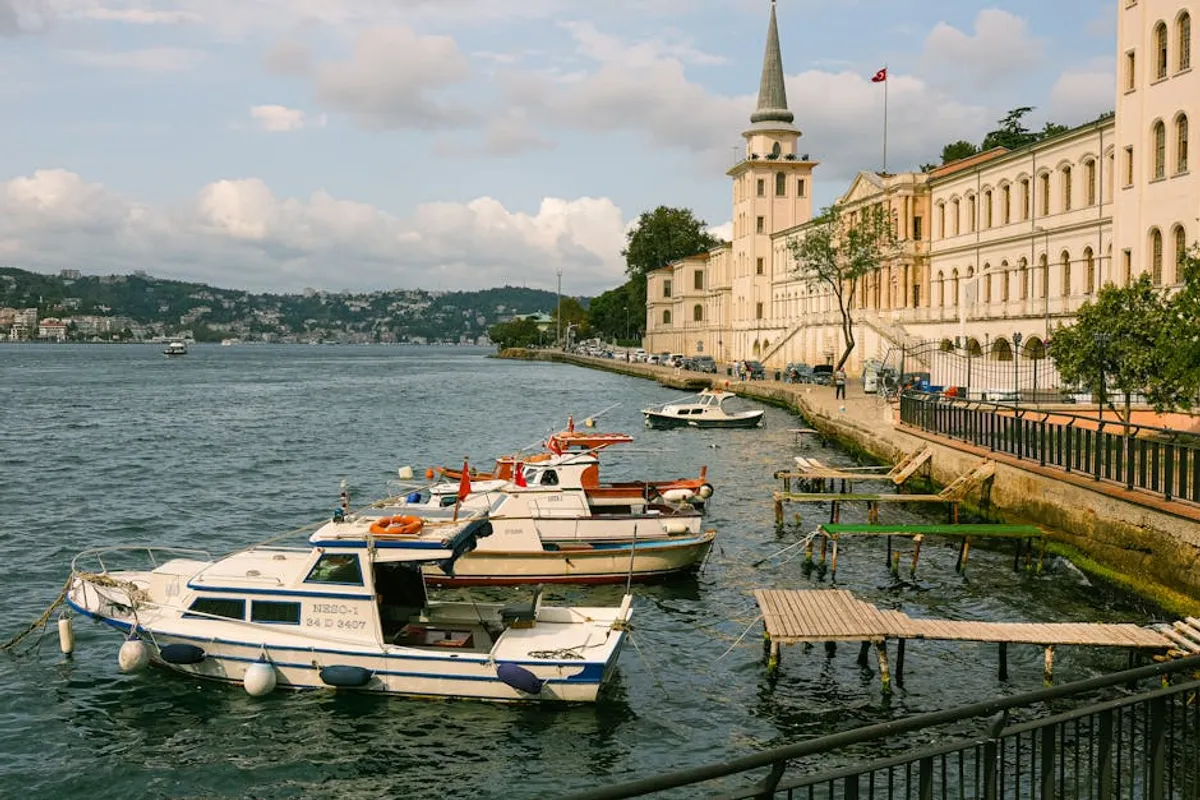
International families relocating to Istanbul face a critical decision: selecting the right school for their children. This choice impacts not only academic progression but also social integration, cultural adaptation, and overall family well-being. Istanbul offers a diverse educational landscape, ranging from institutions following established international curricula like the International Baccalaureate (IB) and various national systems (British, American, German, French) to schools blending international standards with strong local cultural immersion. Understanding the distinct offerings, pedagogical approaches, and community environments of these schools is essential for aligning with your family’s specific needs and long-term educational goals. Understanding the distinct offerings, particularly for international schools in Turkey, is key for families.
How to Choose the Right International School in Istanbul
Selecting an international school involves more than just reviewing academic results; it requires a holistic evaluation of how a school’s environment aligns with your child’s learning style, your family’s values, and your future plans. Consider these factors:
- Curriculum Alignment: Determine which curriculum best suits your child's academic background and future university aspirations. The International Baccalaureate (IB) is globally recognized for its holistic approach. British schools often follow the English National Curriculum, leading to IGCSEs and A-Levels. American schools typically offer a US-based curriculum leading to a High School Diploma, often with Advanced Placement (AP) courses. German and French schools provide their respective national curricula, offering continuity for families from those countries.
- Accreditation and Recognition: Verify the school's accreditation status with reputable international bodies (e.g., CIS, NEASC, COBIS, WASC, MSA). Accreditation signifies adherence to rigorous educational standards and facilitates credit transfer if you move again. Local recognition by the Turkish Ministry of Education is also important for official standing within the country.
- Language of Instruction and Support: Most international schools operate primarily in English, but many offer robust EAL (English as an Additional Language) programs. Consider if your child requires intensive language support or if you prefer a bilingual environment. Schools teaching national curricula (e.g., German, French) will primarily use those languages.
- Facilities and Resources: Evaluate the physical infrastructure, including classrooms, science labs, libraries, sports facilities, arts studios, and technology integration. These resources directly impact the breadth and quality of educational experiences available.
- Community and Culture: Assess the school's community ethos. Some schools prioritize a diverse, multicultural student body, while others might have a stronger national identity. Consider the level of parent involvement, extracurricular activities, and opportunities for cultural integration within Istanbul. A strong, supportive community can significantly ease transition for new international families.
- Location and Logistics: Istanbul is a vast city. The school's location relative to your home and work, transportation options, and commute times are practical considerations that affect daily life.
- Tuition and Fees: International school fees in Istanbul vary significantly. Understand the full cost, including application fees, tuition, uniforms, meals, transportation, and extracurriculars. Inquire about payment schedules and any potential sibling discounts.
1. British International School Istanbul (BISI)
BISI offers a comprehensive British-style education from early years through secondary, culminating in IGCSEs and the International Baccalaureate Diploma Programme (IBDP). With two campuses – one in Zekeriyaköy for primary and another in Etiler for secondary – BISI caters to a diverse international student body representing over 60 nationalities. The school emphasizes academic rigor within a supportive, multicultural environment, preparing students for top universities worldwide.
Best for: Families seeking a traditional British curriculum with the global recognition of the IB Diploma, particularly those prioritizing strong university placement and a diverse international peer group.
Pros:
- Strong academic track record with high IGCSE and IBDP results.
- Extensive extracurricular program including sports, arts, and community service.
- Experienced faculty, predominantly from the UK.
- Robust university counseling services.
- Well-equipped campuses with modern facilities.
Cons:
- High tuition fees, among the most expensive in Istanbul.
- Admissions can be competitive, especially for certain year groups.
- Split campuses may require logistical planning for families with children in different age groups.
Verdict: BISI provides a premium British education with a strong IB pathway, making it a solid choice for families prioritizing academic excellence, global university access, and a diverse international community, provided they can manage the financial commitment.
2. Istanbul International Community School (IICS)
Established in 1911, IICS is the oldest international school in Istanbul, offering an IB continuum from Early Years to the Diploma Programme. With two campuses – Marmara and Hisar – IICS is known for its strong community feel, progressive educational philosophy, and commitment to holistic development. The school prides itself on fostering critical thinking, creativity, and intercultural understanding among its students, who represent over 50 nationalities.
Best for: Families committed to the International Baccalaureate framework, valuing a long-standing, community-focused school with a strong emphasis on global citizenship and inquiry-based learning.
Pros:
- Full IB continuum (PYP, MYP, DP) ensures consistent pedagogical approach.
- Well-established reputation and strong alumni network.
- Diverse student and faculty body, promoting intercultural understanding.
- Emphasis on student-led learning and inquiry.
- Strong pastoral care and support systems.
Cons:
- Tuition fees are at the higher end of the spectrum.
- Location of the Marmara campus can be a commute for those living on the European side.
- Admissions can be highly selective due to its popularity and limited spots.
Verdict: IICS is a highly respected institution for families seeking a comprehensive IB education within a nurturing, diverse, and well-established international community, particularly if the IB philosophy aligns with their educational preferences.
3. MEF International School
MEF International School offers the IB Primary Years Programme (PYP), Middle Years Programme (MYP), and Diploma Programme (DP), providing a consistent educational journey from early years to university entry. Located on a purpose-built campus in Ortaköy, MEF emphasizes a balanced approach to education, combining academic rigor with artistic expression, sports, and community service. The school is known for its modern facilities and a strong focus on technology integration in learning.
Best for: Families looking for a full IB curriculum in a modern, well-equipped setting, with a strong emphasis on technology and a balanced approach to student development.
Pros:
- Full IB continuum on a single, modern campus.
- Strong integration of technology into the curriculum.
- Excellent sports facilities, including an indoor swimming pool and gymnasium.
- Diverse student body, though perhaps slightly less international than IICS or BISI.
- Strong emphasis on personal development and character education.
Cons:
- Tuition fees are substantial.
- Campus location, while central, can still be subject to Istanbul traffic.
- May have a slightly stronger Turkish student presence compared to some other international schools, which some international families may or may not prefer.
Verdict: MEF International School offers a robust IB education in a contemporary setting, appealing to families who value a technologically forward approach and a balanced curriculum for their children's growth.
4. Tarabya British Schools (TBS)
Tarabya British Schools delivers the English National Curriculum, IGCSEs, and A-Levels, providing a direct pathway to British universities and other global institutions. With multiple campuses across Istanbul, TBS offers a distinct British educational experience, focusing on academic excellence, character development, and a wide range of extracurricular activities. The school aims to provide a "home away from home" for British and international families seeking a familiar educational system.
Best for: Families specifically seeking a British-style education with IGCSEs and A-Levels, who value a structured curriculum and clear progression to UK universities.
Pros:
- Authentic British curriculum delivered by predominantly British-trained teachers.
- Strong focus on preparing students for UK university admissions.
- Multiple campuses offer flexibility in location.
- Good range of sports and enrichment activities.
- Emphasis on traditional values and discipline alongside academic achievement.
Cons:
- Tuition fees are competitive but still significant.
- The spread of campuses might mean less centralized resources or community across the whole school.
- While international, the curriculum primarily caters to the British system, which might be less ideal for families seeking a pure IB or American pathway.
Verdict: TBS is a strong contender for families who explicitly want a British education in Istanbul, offering a familiar curriculum and a clear route to higher education within the UK system.
5. Koç School
While primarily a Turkish school, Koç School offers a rigorous academic program that includes the International Baccalaureate Diploma Programme (IBDP) as an option for its high school students, alongside the Turkish national curriculum. It is one of Turkey's most prestigious educational institutions, known for its high academic standards, extensive facilities, and strong emphasis on arts, sports, and community service. The school attracts a mix of Turkish and international families seeking a challenging, well-rounded education.
Best for: Families seeking a top-tier academic environment with the option of the IBDP, who also want their children to be immersed in a strong Turkish cultural context while benefiting from world-class facilities.
Pros:
- Exceptional academic reputation and results, both nationally and internationally (IBDP).
- State-of-the-art facilities, including extensive sports complexes and arts centers.
- Strong emphasis on leadership, critical thinking, and social responsibility.
- Provides a unique blend of Turkish culture and international education.
- Large, well-resourced campus.
Cons:
- Highly competitive admissions process.
- The primary language of instruction for the majority of the school is Turkish, with the IBDP being an English-language stream.
- Tuition fees are substantial.
- Less diverse international student body compared to purely international schools.
Verdict: Koç School is an excellent choice for families who desire a highly academic, well-resourced school with the IBDP option, and who are comfortable with a strong Turkish cultural immersion and a predominantly Turkish student body.
6. Üsküdar American Academy (UAA)
Üsküdar American Academy, established in 1876, is one of Turkey's oldest and most respected schools. While predominantly a Turkish school, it offers a rigorous American-style curriculum with English as the primary language of instruction, alongside Turkish language and culture. UAA prepares students for both Turkish and international universities, offering a challenging academic program that emphasizes leadership, critical thinking, and community engagement. It has a strong legacy and a highly selective admissions process.
Best for: Families seeking a high-quality, English-medium American-style education with deep historical roots in Istanbul, who value a strong academic foundation and a balanced approach to student development within a Turkish context.
Pros:
- Exceptional academic standards and university placement rates.
- Rich history and strong alumni network.
- Offers a rigorous American-style curriculum with a strong English language focus.
- Emphasis on character development and social responsibility.
- Located on a beautiful, historic campus.
Cons:
- Highly competitive admissions, primarily catering to Turkish students who pass an entrance exam.
- While English is the primary instruction language, the school's culture and student body are predominantly Turkish.
- Limited direct international curriculum accreditation like IB or AP, though it prepares for US university entry.
Verdict: UAA is an outstanding institution for families who prioritize a prestigious, academically rigorous American-style education with a strong local connection, and whose children are prepared for a competitive, predominantly Turkish-speaking peer group.
7. German School Istanbul (Deutsche Schule Istanbul)
The German School Istanbul offers a comprehensive German curriculum from kindergarten through to the German Abitur, which is recognized internationally for university entrance. Established in 1868, it provides a high-quality education primarily in German, with strong English language instruction as well. The school aims to foster bilingualism and biculturalism, preparing students for higher education in Germany and globally, while immersing them in both German and Turkish cultures.
Best for: German-speaking families or those seeking a rigorous German education system, who value bilingualism and a direct pathway to German universities.
Pros:
- Authentic German curriculum leading to the Abitur.
- High academic standards and strong preparation for German universities.
- Fosters bilingualism (German/Turkish) and bicultural understanding.
- Strong sense of community among German-speaking families.
- Central location near Taksim.
Cons:
- Primary language of instruction is German, requiring proficiency or rapid acquisition.
- Less diverse in terms of nationalities compared to purely international schools.
- Admissions criteria prioritize German-speaking students.
Verdict: The German School Istanbul is the definitive choice for families committed to a German education, offering academic excellence and a clear path to German higher education within a supportive German-speaking community.
8. Lycée Français Pierre Loti
Lycée Français Pierre Loti provides a French national curriculum education from maternelle (kindergarten) to terminale (final year of high school), leading to the French Baccalauréat. With two campuses – Tarabya for primary and Beyoğlu for secondary – the school is part of the extensive network of French schools abroad, ensuring continuity for French expatriate families. It emphasizes academic rigor, critical thinking, and cultural openness, preparing students for universities in France and other global institutions.
Best for: French-speaking families or those seeking a comprehensive French education system, valuing bilingualism (French/Turkish/English) and a direct pathway to French universities.
Pros:
- Authentic French curriculum leading to the French Baccalauréat.
- Globally recognized diploma for university entrance, particularly in France.
- Fosters bilingualism and bicultural understanding.
- Strong emphasis on arts, philosophy, and critical thinking.
- Part of a large international network of French schools.
Cons:
- Primary language of instruction is French, requiring proficiency or rapid acquisition.
- Split campuses can be a logistical challenge for families with children in different age groups.
- Less diverse in terms of nationalities compared to purely English-medium international schools.
Verdict: Lycée Français Pierre Loti is the ideal institution for families seeking a high-quality French education in Istanbul, offering academic excellence and a clear route to higher education within the French system.
9. Hisar School
Hisar School is a highly regarded private Turkish school that also offers the International Baccalaureate Diploma Programme (IBDP) in its high school section. Known for its innovative approach to education, extensive campus facilities, and strong emphasis on arts, technology, and project-based learning, Hisar aims to develop well-rounded, globally-minded individuals. The school integrates the Turkish national curriculum with international best practices, providing a rich educational experience for its predominantly Turkish, but increasingly international, student body.
Best for: Families looking for a progressive, academically strong school with the IBDP option, who appreciate a blend of Turkish cultural context and international educational standards, along with exceptional facilities for arts and technology.
Pros:
- Strong academic reputation and innovative educational approaches.
- Offers the IBDP as an internationally recognized pathway.
- Exceptional facilities, including a performing arts center, design studios, and sports complexes.
- Emphasis on project-based learning and technological integration.
- Fosters a strong sense of community and critical thinking.
Cons:
- While offering the IBDP, the school's primary language and culture are Turkish.
- Admissions are competitive.
- Tuition fees are significant.
- Less international student diversity compared to schools exclusively for expatriates.
Verdict: Hisar School offers a high-quality, innovative education with the IBDP option, making it suitable for families who value academic excellence, modern facilities, and a strong local cultural connection.
10. Istanbul American School (IAS)
Istanbul American School offers an American curriculum from pre-kindergarten through grade 12, culminating in a US High School Diploma. The school is accredited by AdvancED and aims to provide a rigorous, college-preparatory education in a supportive, multicultural environment. IAS focuses on developing critical thinking, problem-solving skills, and global awareness, preparing students for universities in the United States and worldwide. It caters to a diverse international student body.
Best for: Families specifically seeking an American curriculum with a US High School Diploma, who prioritize a college-preparatory education and a multicultural student body.
Pros:
- Authentic American curriculum and pedagogical approach.
- Accredited by a recognized US accreditation body.
- Prepares students effectively for US university admissions.
- Diverse student body representing many nationalities.
- Focus on holistic development and extracurricular engagement.
Cons:
- Tuition fees are substantial.
- May not offer the IB Diploma, which some families prefer for broader international recognition.
- Campus facilities, while adequate, might not be as extensive as some larger institutions.
Verdict: IAS is a solid choice for families committed to an American educational system, offering a recognized diploma and a clear pathway to US higher education within a diverse international setting.
11. Safir International School
Safir International School provides an American curriculum, alongside an Arabic and Islamic studies program, catering primarily to the Arabic-speaking international community in Istanbul. The school offers education from kindergarten through high school, aiming to combine a strong academic foundation with cultural and religious values. It focuses on creating a supportive environment where students can excel academically while maintaining their cultural identity.
Best for: Arabic-speaking international families seeking an American curriculum integrated with Arabic language, Islamic studies, and cultural values.
Pros:
- Unique offering of American curriculum with strong Arabic and Islamic studies.
- Catters specifically to the needs of Arabic-speaking families.
- Provides a culturally sensitive and supportive environment.
- Focus on maintaining cultural and religious identity alongside academic growth.
Cons:
- Less diverse in terms of nationalities outside the Arabic-speaking community.
- May not have the same level of facilities or extracurricular breadth as larger, more established international schools.
- Accreditation status should be thoroughly verified for broader international recognition.
Verdict: Safir International School is a specialized option for Arabic-speaking families who prioritize an American curriculum combined with robust Arabic language and Islamic education, seeking a school that aligns with their cultural and religious values.
12. Istanbul International School (IIS)
Istanbul International School (IIS) offers an American-based curriculum from pre-kindergarten to grade 12, with a strong emphasis on English language proficiency and a multicultural learning environment. It aims to provide a rigorous academic program that prepares students for higher education globally, while also fostering critical thinking and global citizenship. IIS caters to a diverse international student body and focuses on personalized learning approaches.
Best for: Families looking for an American curriculum with a strong focus on English language development and a multicultural atmosphere, seeking a school that offers personalized attention.
Pros:
- American-based curriculum with a focus on English language acquisition.
- Diverse international student body.
- Emphasis on personalized learning and student support.
- Prepares students for international university admissions.
- Often provides a welcoming environment for non-native English speakers.
Cons:
- May not have the extensive facilities of larger, older international schools.
- Accreditation details should be confirmed for specific university recognition.
- Tuition fees are a consideration, though potentially more moderate than top-tier options.
Verdict: IIS provides a solid American-based education for international families, particularly those prioritizing English language development and a supportive, multicultural environment, though it may offer fewer specialized facilities than some larger schools.
Making the Final Decision for Your Family
The process of choosing an international school in Istanbul is highly personal. After narrowing down your options based on curriculum and budget, prioritize campus visits. During these visits, pay close attention to the school's atmosphere, the interaction between students and teachers, and the overall cleanliness and safety of the environment. Engage with admissions staff, ask about class sizes, student-teacher ratios, and support services for new students or those with specific learning needs. If possible, speak with current parents to gain insights into the school's community and daily operations.