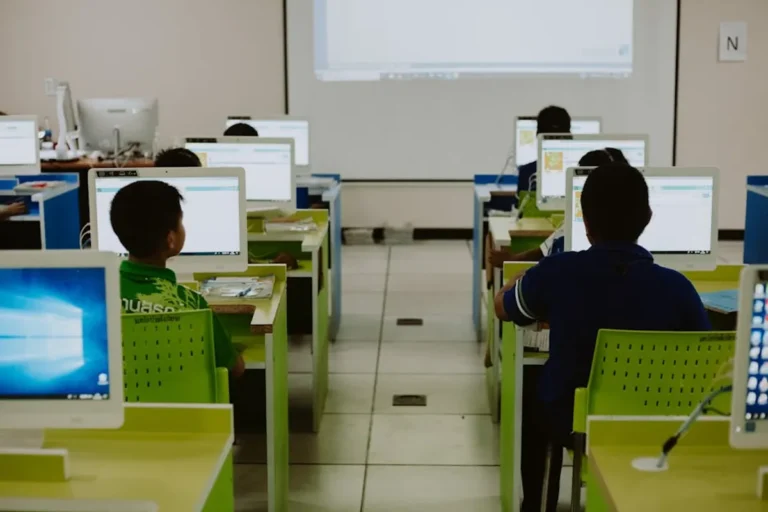
Expat families navigating international relocations face a critical decision: selecting the right educational curriculum for their children. This choice extends beyond academic rigor; it shapes cultural integration, future university pathways, and the child's overall adaptability. The global landscape offers a diverse array of educational frameworks, each with distinct pedagogical philosophies, assessment methods, and recognition levels across different countries. Understanding these differences is paramount to ensuring a smooth educational transition and fostering a consistent learning journey, regardless of future moves.
How to Choose an International Curriculum
Selecting an international curriculum requires a strategic assessment of several factors that directly impact a child's academic and personal development. Consider the following:
- Portability and Recognition: Evaluate how widely accepted the curriculum's qualifications are for university admissions globally. Some systems offer universal recognition, simplifying future transitions.
- Pedagogical Approach: Research the teaching methods. Some curriculums prioritize inquiry-based learning and critical thinking, while others emphasize rote memorization and standardized testing. Align this with your child's learning style and your family's educational values.
- Cultural Integration: Assess the curriculum's emphasis on local culture versus a global perspective. Some systems are designed to be culturally neutral, while others integrate host country language and history.
- Language of Instruction: Determine if the primary language of instruction aligns with your child's proficiency and your long-term language goals. Many international schools offer bilingual programs or support for non-native speakers.
- Continuity and Progression: If future relocations are likely, consider curriculums that offer a consistent framework from primary through secondary education, minimizing disruption.
- Assessment Methods: Understand how student progress is measured. This can range from continuous assessment and project-based work to high-stakes examinations.
- Cost Implications: International schools often have varying fee structures tied to the curriculum they offer. Factor this into your long-term financial planning.
1. International Baccalaureate (IB)
The International Baccalaureate offers a comprehensive, inquiry-based educational framework across four programs: Primary Years Programme (PYP), Middle Years Programme (MYP), Diploma Programme (DP), and Career-related Programme (CP). It is renowned for fostering critical thinking, intercultural understanding, and a holistic approach to learning. The DP, in particular, is a rigorous pre-university course of study globally recognized for university admissions.
Best for: Families seeking a globally consistent, academically challenging, and holistic education with an emphasis on critical thinking and international mindedness. Ideal for students aiming for top universities worldwide.
Pros:
- High global recognition for university admissions.
- Develops strong research, writing, and analytical skills.
- Promotes international understanding and responsible citizenship.
- Consistent framework across different age groups and countries.
Cons:
- Can be academically demanding, potentially high-pressure for some students.
- Fewer subject choices at the Diploma Programme level compared to some national systems.
- Availability of IB schools can vary by location.
Verdict: The IB is a robust choice for expat families prioritizing academic rigor, a global perspective, and consistent educational quality across borders, preparing students exceptionally well for higher education.
2. Cambridge International
Cambridge International provides a curriculum and qualifications from primary to pre-university levels, including Cambridge Primary, Cambridge Lower Secondary, Cambridge IGCSE, Cambridge O Level, Cambridge International AS & A Level, and Cambridge Pre-U. It is based on the British education system but tailored for an international audience, offering a clear pathway of progression and external examinations recognized by universities and employers worldwide.
Best for: Families who value a structured, subject-specific curriculum with globally recognized qualifications, particularly those familiar with or seeking a British-style education with an international focus.
Pros:
- Globally recognized qualifications (IGCSE, A-Levels) for university entry.
- Clear, structured curriculum with defined learning objectives.
- Strong emphasis on subject knowledge and academic depth.
- Flexible curriculum allowing schools to adapt to local contexts.
Cons:
- Can be examination-heavy, potentially stressful for some students.
- Less emphasis on interdisciplinary learning compared to IB.
- Focus on specific subject mastery may limit broader exploration for some students.
Verdict: Cambridge International offers a reliable and widely accepted pathway for expat students, providing a strong academic foundation and clear progression, particularly valuable for those targeting UK or Commonwealth universities.
3. US Curriculum
The US Curriculum, while not a single centralized system, typically refers to a broad-based educational approach common in American international schools. It often incorporates standards like Common Core for English Language Arts and Mathematics, Next Generation Science Standards (NGSS), and offers Advanced Placement (AP) courses for college-level study. The emphasis is on a well-rounded education, critical thinking, and student-centered learning, often with a focus on extracurricular activities.
Best for: Families seeking a flexible, student-centered approach with a strong emphasis on critical thinking, technology integration, and a wide array of subject choices, particularly for students considering US universities.
Pros:
- Broad and flexible curriculum, allowing for diverse student interests.
- Strong focus on critical thinking, problem-solving, and technology.
- Advanced Placement (AP) courses offer college credit and university preparation.
- Emphasis on extracurricular activities and holistic development.
Cons:
- Lack of a single, standardized curriculum can lead to variations between schools.
- University recognition outside the US may require additional credential evaluation.
- Assessment can be more continuous, with less emphasis on terminal exams for some levels.
Verdict: The US Curriculum provides a adaptable and student-focused educational experience, preparing students for a wide range of future paths, especially advantageous for those targeting North American higher education.
4. British National Curriculum (England)
The British National Curriculum for England outlines the learning objectives and content for state schools in England, often adapted by international schools globally. It is structured into Key Stages (KS1-KS5), with prescribed subjects and attainment targets. While Cambridge International offers qualifications based on this system, many international schools independently implement the National Curriculum framework, often culminating in IGCSEs and A-Levels (from various examination boards) or the IB Diploma.
Best for: Families seeking a structured, progressive curriculum with clear benchmarks, particularly those who anticipate returning to the UK or prefer a familiar system with a strong emphasis on core subjects.
Pros:
- Clear, progressive framework from early years to secondary.
- Strong foundation in core subjects like English, Math, and Science.
- Familiarity for families with UK educational backgrounds.
- Widely adaptable by international schools to local contexts.
Cons:
- Less explicit focus on international mindedness compared to IB.
- Curriculum content can be UK-centric in some areas.
- Progression to university often relies on external exam boards (e.g., Pearson Edexcel, OCR, AQA) which may vary.
Verdict: The British National Curriculum offers a well-established and rigorous academic path, providing a solid, structured education that is well-understood globally, especially within Commonwealth countries.
5. French Baccalaureate
The French Baccalaureate (Baccalauréat Général) is the national secondary school leaving diploma in France, also offered in French international schools worldwide. It culminates in a comprehensive examination covering a broad range of subjects, divided into three main streams: Literary (L), Economic and Social (ES), and Scientific (S). The curriculum emphasizes analytical thinking, written expression, and a deep understanding of French language and culture, alongside other core subjects.
Best for: Francophone families, those planning to reside long-term in a French-speaking country, or students aiming for universities in France, Quebec, or other French-speaking institutions.
Pros:
- High academic rigor and emphasis on critical analysis.
- Excellent preparation for French university system.
- Strong focus on French language and culture.
- Globally recognized, especially within the Francophone world.
Cons:
- Can be very challenging for non-native French speakers.
- Less widely understood or recognized outside of Francophone countries compared to IB or Cambridge.
- Heavy workload and high-stakes terminal examinations.
Verdict: The French Baccalaureate is an ideal choice for families committed to a French linguistic and cultural education, offering a challenging academic path with strong ties to French higher education.
6. German Abitur
The German Abitur is the qualification granted at the end of secondary education in Germany, allowing entry to university. It is offered in German international schools and is known for its academic depth and comprehensive subject coverage. The curriculum typically involves a broad range of subjects across different disciplines, with students specializing in a few areas for their final examinations, which are highly demanding and standardized across Germany.
Best for: German expat families, those planning to live in Germany long-term, or students aspiring to attend German universities, which often require the Abitur for direct entry.
Pros:
- High academic standards and in-depth subject knowledge.
- Direct pathway to German universities.
- Strong emphasis on critical thinking and independent study.
- Globally recognized for its rigor, especially in Europe.
Cons:
- Can be extremely challenging for non-German speakers.
- Curriculum can be rigid with limited elective choices.
- Less common outside of German-speaking countries compared to other international curriculums.
Verdict: The German Abitur provides an academically rigorous and respected qualification, primarily serving families with a strong connection to German language and higher education.
7. International Primary Curriculum (IPC)
The International Primary Curriculum (IPC) is a comprehensive, thematic, and creative curriculum for 3-12-year-olds. It focuses on developing children's learning skills, personal development, and international mindedness through engaging, cross-curricular units of work. The IPC emphasizes a learning-focused approach rather than content memorization, aiming to make learning exciting and relevant for young learners.
Best for: Families with younger children (ages 3-12) who prioritize an engaging, inquiry-based, and holistic primary education that fosters curiosity and global awareness.
Pros:
- Engaging and thematic learning approach.
- Focus on developing learning skills and personal attributes.
- Promotes international mindedness and cultural understanding from a young age.
- Flexible for schools to adapt to local contexts.
Cons:
- Does not lead to terminal qualifications, requiring transition to other curriculums for secondary education.
- Implementation quality can vary significantly between schools.
- Less emphasis on traditional subject-specific assessment in early years.
Verdict: The IPC offers an excellent foundation for primary-aged expat children, fostering a love of learning and preparing them for diverse secondary curriculums with a strong sense of global citizenship.
8. Canadian Curriculum
The Canadian Curriculum is not a single national system but rather a collection of provincial curriculums, each with common underlying principles. These generally emphasize critical thinking, inquiry-based learning, problem-solving, and a balance between academic rigor and practical skills. Canadian international schools often adopt a specific provincial curriculum (e.g., Ontario, British Columbia), which are highly regarded for their quality and focus on student well-being.
Best for: Families seeking a high-quality, progressive education with a strong emphasis on critical thinking, innovation, and a balanced approach to academic and personal development, particularly for those considering Canadian universities.
Pros:
- Strong focus on critical thinking and inquiry-based learning.
- Curriculum often integrates technology and real-world applications.
- High academic standards with a focus on student well-being.
- Qualifications are well-regarded for university entry in Canada and elsewhere.
Cons:
- Variations exist between provincial curriculums, potentially impacting consistency across different Canadian international schools.
- Less globally recognized as a single "system" compared to IB or Cambridge.
- May require adaptation for students transitioning from more traditional systems.
Verdict: The Canadian Curriculum offers a modern and effective educational pathway, providing a balanced and engaging learning experience that prepares students effectively for higher education, especially in North America.
9. Australian Curriculum
The Australian Curriculum provides a national framework for learning from Foundation (Kindergarten) to Year 12, outlining what students should learn and how their progress should be assessed. It covers eight learning areas and seven general capabilities, emphasizing critical and creative thinking, ethical understanding, and intercultural understanding. Australian international schools deliver this curriculum, preparing students for the Australian Tertiary Admission Rank (ATAR) or equivalent, which is recognized for university entry.
Best for: Australian expat families, those planning to return to Australia, or students aiming for universities in Australia or New Zealand, who value a comprehensive and progressive national curriculum.
Pros:
- Comprehensive and progressive national curriculum.
- Strong focus on general capabilities and 21st-century skills.
- Prepares students for Australian university entry (ATAR).
- Emphasizes critical thinking, creativity, and intercultural understanding.
Cons:
- Less widely available outside of Australia and Southeast Asia.
- May be less familiar to non-Australian families.
- University recognition outside of Australia might require additional context.
Verdict: The Australian Curriculum offers a robust and forward-thinking educational experience, particularly suitable for families with ties to Australia and those seeking a well-rounded and globally relevant education.
10. European Baccalaureate
The European Baccalaureate is a bilingual qualification awarded by the European Schools, established primarily for the children of European Union institution staff. It is a rigorous and broad-based curriculum taught in the student's mother tongue (from 1 of the 24 official EU languages) alongside a strong second language. The curriculum is designed to foster a European identity while maintaining high academic standards and is widely recognized by universities across the EU and beyond.
Best for: Families working for EU institutions or those seeking a genuinely multilingual and multicultural education within Europe, with a clear pathway to European universities.
Pros:
- Highly multilingual and multicultural learning environment.
- Broad and balanced curriculum across diverse subjects.
- Universally recognized for university admission in all EU member states.
- Fosters a strong European identity and understanding.
Cons:
- Primarily available in European Schools, which have specific eligibility requirements (often tied to EU employment).
- Can be academically demanding due to the bilingual and broad nature.
- Less common outside of EU-affiliated contexts.
Verdict: The European Baccalaureate is an unparalleled choice for expat families within the EU system, offering a unique blend of linguistic immersion, cultural integration, and high academic standards.
11. Montessori Education
Montessori education is a child-centered educational approach developed by Maria Montessori. It emphasizes hands-on learning, self-directed activity, and collaborative play within a carefully prepared environment. The curriculum is individualized, allowing children to progress at their own pace, with mixed-age classrooms fostering peer learning. While not a traditional curriculum with standardized exams, Montessori schools provide a comprehensive education from early childhood through adolescence.
Best for: Families who value individualized learning, independence, practical life skills, and a child-led approach to education, particularly for younger children.
Pros:
- Fosters independence, self-motivation, and concentration.
- Individualized learning pace caters to diverse needs.
- Emphasis on hands-on exploration and practical life skills.
- Promotes a love of learning and intrinsic motivation.
Cons:
- Less structured than traditional curriculums, which may not suit all learners.
- Transition to more conventional secondary education can be challenging for some students.
- Quality of implementation can vary significantly between schools.
- Does not lead to standardized terminal qualifications in the same way as academic curriculums.
Verdict: Montessori offers a unique and highly effective approach for families prioritizing a child's natural development and independence, though careful consideration of secondary transitions is necessary.
12. Waldorf/Steiner Education
Waldorf education, also known as Steiner education, is a distinctive pedagogical approach based on the philosophy of Rudolf Steiner. It emphasizes holistic development, integrating academic, artistic, and practical learning. The curriculum is designed to correspond to the developmental stages of the child, with a strong focus on imagination, creativity, and the arts. It typically avoids standardized testing in favor of continuous assessment and portfolio work.
Best for: Families seeking a holistic education that nurtures creativity, imagination, and practical skills, with a strong emphasis on arts and humanities, and a less academic, more experiential early childhood.
Pros:
- Strong emphasis on arts, creativity, and imaginative play.
- Holistic development of the child (head, heart, hands).
- Focus on nature, practical skills, and ethical values.
- Stable class groups and strong teacher-student relationships.
Cons:
- Less emphasis on standardized academic testing and technology.
- Curriculum can be perceived as less rigorous academically in some areas.
- Transition to mainstream higher education can require additional preparation.
- Availability of schools is limited compared to other systems.
Verdict: Waldorf education provides a deeply humanistic and creative learning path, ideal for families who prioritize artistic expression and holistic development over early academic specialization.
Measuring Success and Making the Final Choice
The "best" curriculum is ultimately the one that aligns most closely with your child's individual needs, your family's values, and your long-term educational and relocation plans. Success is not solely measured by university acceptance rates but by the child's engagement, well-being, and adaptability. To make an informed decision:
- Visit Schools: If possible, tour prospective schools, observe classrooms, and speak with teachers, administrators, and current parents.
- Review Curriculum Guides: Request detailed curriculum outlines to understand subject content, pedagogical approaches, and assessment methods.
- Consider Your Child's Personality: A highly structured curriculum might suit one child, while another thrives in a more inquiry-based or child-led environment.
- Plan for Transitions: If future moves are likely, prioritize curriculums with strong global portability and clear pathways for university admission.
- Assess Long-Term Goals: Consider where your child might attend university or what career paths they might pursue, and choose a curriculum that supports those aspirations.
The right curriculum choice provides a stable educational anchor, ensuring that each move becomes an opportunity for growth rather than a disruption to learning.
Frequently Asked Questions About International Curriculums
Q: What is the most widely recognized international curriculum?
A: The International Baccalaureate (IB) Diploma Programme and Cambridge International A-Levels are generally considered the most widely recognized and accepted qualifications for university admissions globally due to their standardized nature and international focus.
Q: How do I know if a curriculum is suitable for my child's learning style?
A: Research the pedagogical approach of each curriculum. If your child thrives with hands-on projects and critical thinking, inquiry-based systems like IB or IPC might be suitable. If they prefer structured learning with clear objectives and exams, Cambridge or the British National Curriculum could be a better fit. Observe your child's current learning preferences and discuss with educators.
Q: Are international schools more expensive than local schools?
A: Generally, international schools are significantly more expensive due to specialized curriculums, smaller class sizes, international faculty, and extensive facilities. Tuition fees vary widely based on location, curriculum, and school reputation. It is crucial to factor these costs into your expat budget.
Q: Can my child switch between different international curriculums?
A: Yes, switching is possible, but the ease of transition varies. Moving between similar systems (e.g., British National Curriculum to Cambridge International) is often smoother. Transitions between very different pedagogies (e.g., Montessori to a traditional academic curriculum) or between different language systems can be more challenging and may require additional support or bridging programs.
Q: Do international curriculums prepare students for local university systems?
A: Many international curriculums, especially IB and Cambridge, are designed to prepare students for global university systems, including those in host countries. However, some national curriculums (e.g., French Baccalaureate, German Abitur) offer a more direct and often