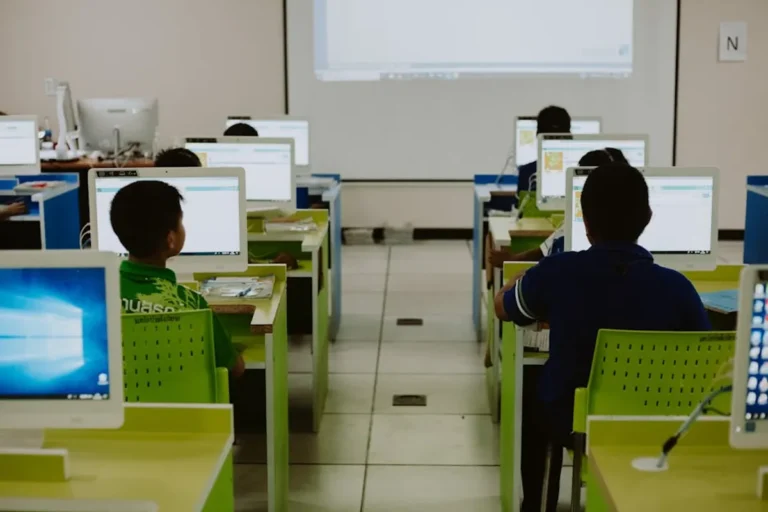
Choosing the right school for your child in Ankara represents a significant decision, influencing academic trajectory, social development, and future opportunities. The city hosts a diverse educational landscape, ranging from long-established Turkish private institutions with rigorous national curricula to international schools offering global frameworks like the International Baccalaureate (IB) or specific national systems. This guide cuts through the noise, providing a focused examination of prominent schools, detailing their distinct educational philosophies, strengths, and potential considerations, to help parents align a school's offerings with their child's needs and family values. For families prioritizing a global education, understanding the landscape of international schools in Turkey is a key step in this process.
What to Look For When Choosing a School in Ankara
Navigating Ankara's school options requires a clear understanding of what distinguishes one institution from another. Beyond reputation, consider these concrete factors to narrow your search effectively:
- Curriculum Type: Ankara schools generally follow either the Turkish National Curriculum, which prepares students for national university entrance exams (YKS), or international curricula such as the International Baccalaureate (IB) Programme, American High School Diploma, or British A-Levels. The choice dictates future university pathways and academic style.
- Language of Instruction: While Turkish is primary in national schools, many private institutions offer extensive English, German, or French instruction, often leading to bilingual or trilingual proficiency. International schools typically teach entirely in English, with Turkish as a secondary language.
- Accreditation and Affiliation: For international schools, look for accreditation from bodies like CIS (Council of International Schools), NEASC (New England Association of Schools and Colleges), or national education ministries (e.g., British Council). This ensures adherence to global educational standards. For national schools, Ministry of National Education (MEB) approval is standard, but additional affiliations can indicate specific quality benchmarks.
- Faculty Qualifications and Experience: Inquire about teacher credentials, professional development opportunities, and staff turnover rates. Experienced, well-qualified educators are foundational to academic success.
- Facilities and Resources: Evaluate classrooms, science labs, libraries, sports complexes, arts studios, and technology infrastructure. Modern, well-maintained facilities enhance learning and extracurricular engagement.
- Extracurricular Programs: A robust offering of sports, arts, clubs, and community service initiatives fosters holistic development, allowing students to explore interests beyond academics.
- Class Size and Student-Teacher Ratio: Smaller class sizes generally allow for more individualized attention, though this varies by school and grade level.
- School Culture and Values: Consider the school's ethos, disciplinary approach, and emphasis on character development. A school environment that aligns with your family's values contributes to a child's overall well-being and sense of belonging.
- University Placement Records: For high schools, examine where graduates gain admission, both nationally and internationally. This indicates the school's effectiveness in preparing students for higher education.
- Location and Transportation: Proximity to home and available transportation options (school bus services) are practical considerations impacting daily logistics.
- Admissions Process and Competitiveness: Understand the application requirements, entrance exams, interview procedures, and timelines. Some schools are highly selective.
1. TED Ankara College
TED Ankara College stands as one of Turkey's most venerable private educational institutions, established in 1931. It offers a comprehensive K-12 education rooted in the Turkish National Curriculum, augmented by extensive English language instruction. The college is known for its strong academic rigor, emphasis on science and mathematics, and a rich tradition of extracurricular activities, particularly in sports and arts. Its graduates consistently achieve high scores in national university entrance examinations and gain admission to top Turkish universities, with a growing number pursuing higher education abroad.
Best For: Parents seeking a highly structured, academically demanding K-12 education with a strong Turkish cultural foundation and significant English language proficiency, preparing students primarily for Turkish universities but also with pathways for international study.
Pros:
- Long-standing reputation and a strong alumni network.
- High academic standards and consistent success in national exams.
- Extensive facilities including sports complexes, laboratories, and arts centers.
- Comprehensive English language program, often leading to bilingualism.
- Wide array of extracurricular activities in sports, arts, and academic clubs.
Cons:
- Large student body can lead to a less individualized experience for some.
- Admission is highly competitive, often requiring rigorous entrance exams.
- Curriculum is primarily national, which may require additional preparation for direct entry into certain international university systems.
Verdict: A premier choice for families prioritizing a robust national education with a strong international outlook and a proven track record of academic excellence, particularly for university preparation within Turkey.
2. Bilkent Laboratory School (BLIS)
Bilkent Laboratory School, affiliated with Bilkent University, provides an education from kindergarten through high school, emphasizing an inquiry-based learning approach. It integrates the Turkish National Curriculum with elements of international educational practices, particularly within its high school program which offers the International Baccalaureate (IB) Diploma Programme. The school benefits from its close ties to Bilkent University, providing access to advanced resources and a culture of academic research. BLIS focuses on critical thinking, problem-solving, and fostering a global perspective, aiming to develop well-rounded individuals prepared for both national and international higher education.
Best For: Families seeking an academically challenging environment that blends the Turkish National Curriculum with international methodologies, particularly those interested in the IB Diploma Programme for high school and a strong connection to university resources.
Pros:
- Strong academic reputation, bolstered by affiliation with Bilkent University.
- Offers the International Baccalaureate (IB) Diploma Programme.
- Emphasis on inquiry-based learning and critical thinking.
- Access to university-level resources and expertise.
- A balanced approach to national and international educational standards.
Cons:
- Admissions can be competitive, reflecting its academic standing.
- The blend of curricula might require adaptation for students coming from purely national or international systems.
- Its academic focus might be less suitable for students seeking a predominantly vocational or arts-centric education.
Verdict: An excellent option for intellectually curious students whose parents value a rigorous, internationally-minded education with the backing of a prestigious university, offering clear pathways to both Turkish and global universities.
3. ODTÜ College
ODTÜ College, established by the Middle East Technical University (METU/ODTÜ) Foundation, offers a K-12 education deeply rooted in the principles of scientific inquiry and critical thinking. It follows the Turkish National Curriculum but distinguishes itself with an enriched program that emphasizes STEM subjects, project-based learning, and a strong English language component. The school aims to cultivate creative, analytical, and globally aware citizens. Its close association with METU provides unique opportunities for students, including access to university facilities and faculty mentorship, particularly in science and engineering fields.
Best For: Students with a strong aptitude for science, technology, engineering, and mathematics (STEM), whose parents seek a challenging national curriculum enhanced by a scientific, research-oriented approach and a connection to a leading technical university.
Pros:
- Exceptional focus on STEM education and scientific literacy.
- Strong English language program integrated throughout the curriculum.
- Benefits from the academic resources and ethos of METU.
- Emphasis on project-based learning and critical thinking skills.
- Consistent track record of graduates entering top Turkish universities, especially in engineering and science.
Cons:
- Highly competitive admissions process.
- The strong STEM focus might be less appealing for students primarily interested in humanities or arts.
- While strong in English, the core curriculum remains national, requiring specific preparation for international university applications.
Verdict: An ideal environment for future scientists, engineers, and innovators, offering a rigorous national education with a distinct scientific edge and strong university preparatory outcomes for Turkish higher education.
4. Private Arı Schools
Private Arı Schools provide a comprehensive K-12 education with a strong emphasis on academic excellence, character development, and a modern pedagogical approach. Following the Turkish National Curriculum, Arı Schools integrate contemporary teaching methodologies, including project-based learning and digital literacy, to foster critical thinking and creativity. The school is known for its well-maintained facilities, dedicated faculty, and a balanced curriculum that includes robust arts and sports programs. Arı Schools aim to prepare students not just for university, but for lifelong learning and active global citizenship.
Best For: Parents seeking a well-rounded, modern Turkish private education that balances academic rigor with personal development, offering a supportive environment and a focus on contemporary skills.
Pros:
- Modern pedagogical approaches and technology integration.
- Strong emphasis on both academic achievement and character education.
- Comprehensive arts and sports programs complementing academics.
- Dedicated and experienced teaching staff.
- Positive school culture promoting student engagement and well-being.
Cons:
- Admission can be competitive, reflecting its popularity.
- While modern, it primarily adheres to the national curriculum, which might require supplementary work for international university applications.
- The school's size means a diverse student body, which might not suit those seeking a very small, intimate learning environment.
Verdict: A solid choice for families valuing a balanced, forward-thinking national education that prepares students for success in both academic and personal spheres, within a supportive and well-resourced environment.
5. Nesibe Aydın Schools
Nesibe Aydın Schools have carved a niche for themselves with an intense focus on academic achievement, particularly excelling in preparing students for national university entrance examinations. The school system, spanning kindergarten to high school, operates under the Turkish National Curriculum, but significantly enhances it with additional instruction, practice, and specialized programs designed to maximize student performance in standardized tests. Beyond academics, Nesibe Aydın also offers a range of extracurricular activities, but its core strength lies in its systematic and results-driven approach to university preparation.
Best For: Highly ambitious students and parents who prioritize top scores in national university entrance exams (YKS) and seek a school environment intensely focused on academic success and university placement within Turkey.
Pros:
- Exceptional track record in national university entrance exams.
- Systematic and rigorous academic program designed for test success.
- Experienced faculty specialized in exam preparation.
- Additional study hours and supplementary courses.
- Strong guidance and counseling for university applications within Turkey.
Cons:
- The intense academic focus may lead to a high-pressure environment for some students.
- Less emphasis on a broad international curriculum or extensive arts/sports programs compared to some peers.
- May not be the ideal fit for students who thrive in less structured or more inquiry-based learning environments.
Verdict: The definitive choice for families whose primary goal is securing admission to highly competitive Turkish universities, offering a proven and highly effective pathway to national academic success.
6. Maya Schools
Maya Schools offer an innovative and holistic educational experience from early years through high school, operating under the Turkish National Curriculum while integrating elements of constructivist and international pedagogical approaches. Known for its modern facilities and emphasis on technology integration, Maya Schools aim to foster creativity, critical thinking, and social responsibility. The curriculum is designed to be engaging and student-centered, promoting active learning and interdisciplinary connections. They also place importance on arts, sports, and community service to ensure well-rounded development.
Best For: Parents seeking a progressive, student-centered national education that blends academic rigor with creativity, technology, and a strong focus on holistic development and character building.
Pros:
- Innovative teaching methodologies and technology-rich learning environments.
- Strong focus on creativity, arts, and design thinking.
- Emphasis on social-emotional learning and character development.
- Modern campus facilities and resources.
- Active community service and extracurricular programs.
Cons:
- While progressive, it adheres to the national curriculum framework, limiting direct international curriculum options.
- The emphasis on holistic development might mean less intense focus on pure exam preparation compared to some other schools.
- Admission can be competitive due to its reputation for modern education.
Verdict: A compelling option for families who value a forward-thinking, balanced national education that nurtures well-rounded individuals prepared for both academic challenges and the complexities of modern life.
7. British Embassy School Ankara (BESA)
The British Embassy School Ankara (BESA) provides a British-style education for children aged 3 to 14 (Nursery to Year 9), primarily serving the expatriate community and families seeking an international curriculum. BESA follows the English National Curriculum, adapted to an international context, ensuring a familiar educational pathway for British and other international students. The school is characterized by its small class sizes, strong emphasis on pastoral care, and a nurturing environment. It focuses on developing foundational academic skills, critical thinking, and a global perspective, preparing students for transition to other international schools for their secondary education.
Best For: Expatriate families or those seeking a British-style education for primary and early secondary years, valuing small class sizes, a strong pastoral system, and preparation for continued international schooling.
Pros:
- Authentic English National Curriculum delivered by British-qualified teachers.
- Small class sizes ensuring individualized attention.
- Strong focus on pastoral care and student well-being.
- Multicultural environment fostering global understanding.
- Excellent preparation for subsequent international secondary education.
Cons:
- Only goes up to Year 9, requiring students to transfer for IGCSEs/A-Levels or IB Diploma.
- Primarily caters to the expatriate community, which might be a cultural adjustment for local families.
- Admission priority is often given to British Embassy staff and other diplomatic missions.
Verdict: An excellent choice for younger students needing a solid British primary and early secondary foundation within a supportive international setting, ideal for families planning to transition to other international high schools later.
8. International Schools of Ankara (ISA)
International Schools of Ankara (ISA) offers a comprehensive K-12 education with a strong international focus, primarily serving the expatriate and internationally-minded local community. ISA is an authorized IB World School, offering the Primary Years Programme (PYP), Middle Years Programme (MYP), and Diploma Programme (DP). This commitment to the IB framework means a curriculum emphasizing inquiry, critical thinking, and intercultural understanding. The school boasts a diverse student body and faculty, fostering a truly global learning environment with a strong emphasis on holistic development, academic rigor, and community engagement.
Best For: Families seeking a full K-12 International Baccalaureate (IB) education, valuing a diverse international community, inquiry-based learning, and preparation for global universities.
Pros:
- Full continuum of the International Baccalaureate (IB) Programme (PYP, MYP, DP).
- Highly diverse student and faculty body from around the world.
- Emphasis on inquiry-based learning and critical thinking.
- Prepares students exceptionally well for international university admissions.
- Strong focus on holistic development and global citizenship.
Cons:
- The IB curriculum can be academically demanding and may not suit all learning styles.
- Tuition fees are typically higher compared to national private schools.
- The admissions process can be selective, prioritizing international students or those with prior IB experience.
Verdict: The premier destination for families committed to an IB education, providing a globally recognized curriculum and a truly international learning environment that opens doors to universities worldwide.
9. Canadian International School of Ankara (CIS Ankara)
The Canadian International School of Ankara (CIS Ankara) provides an education based on the rigorous British Columbia (BC) curriculum from Canada, catering to students from kindergarten through high school. This curriculum is globally recognized for its focus on critical thinking, creativity, and inquiry-based learning, with a strong emphasis on English language proficiency. CIS Ankara aims to provide a high-quality international education that prepares students for universities worldwide, including those in Canada, the US, UK, and Europe. The school environment fosters a multicultural perspective, encouraging students to become responsible global citizens.
Best For: Families seeking a North American-style (specifically Canadian) international education, valuing a curriculum focused on critical thinking, English proficiency, and preparation for universities globally, particularly in Canada.
Pros:
- Internationally recognized British Columbia (BC) curriculum.
- Strong emphasis on critical thinking and inquiry-based learning.
- High standards for English language proficiency.
- Prepares students for admission to universities worldwide, with a clear pathway to Canadian institutions.
- Multicultural environment with diverse student and faculty population.
Cons:
- As an international school, tuition fees are at the higher end of the spectrum.
- The BC curriculum might be unfamiliar to families accustomed to other national or international systems.
- A relatively newer international school compared to some longer-established institutions in Ankara.
Verdict: An excellent choice for families desiring a robust Canadian-style education that offers a strong academic foundation, fosters global perspectives, and provides a clear pathway to international higher education.
10. Private Çankaya College
Private Çankaya College offers a K-12 education based on the Turkish National Curriculum, distinguished by its strong academic focus and innovative pedagogical approaches. The school emphasizes a balanced education, integrating advanced science and mathematics programs with a rich offering in arts, sports, and social sciences. Çankaya College is known for its modern facilities, dedicated teaching staff, and a supportive learning environment designed to foster intellectual curiosity and personal growth. It aims to prepare students for success in national university entrance exams while also instilling values of leadership and global awareness.
Best For: Parents who prioritize a strong national curriculum enhanced by modern teaching methods, a balanced approach to academics and extracurriculars, and a supportive environment for overall student development.
Pros:
- Strong academic program within the Turkish National Curriculum framework.
- Modern facilities and resources, including well-equipped labs and sports areas.
- Emphasis on a balanced education, including arts and sports.
- Supportive and engaging learning environment.
- Good track record of university placements within Turkey.
Cons:
- Admission is competitive, reflecting its reputation.
- While offering a balanced approach, the primary focus remains on the national curriculum and university exams.
- May not offer the same depth of international curriculum exposure as dedicated international schools.
Verdict: A reliable and highly regarded option for families seeking a comprehensive national education with a modern edge, preparing students for strong academic outcomes and well-rounded development within a supportive community.
11. Bahçeşehir College Ankara
Bahçeşehir College Ankara is part of a large and prominent private school network in Turkey, offering a K-12 education that combines the Turkish National Curriculum with innovative educational models. The school is recognized for its emphasis on STEM education, coding, robotics, and global competencies, aiming to prepare students for the demands of the 21st century. Bahçeşehir College integrates technology extensively into its curriculum and offers unique programs like "Future Skills" and "International Baccalaureate (IB) Primary Years Programme (PYP)" in some branches, alongside strong English language instruction. It focuses on developing critical thinking, creativity, and digital literacy.
Best For: Parents seeking a technology-forward, innovative national curriculum with a strong emphasis on STEM, coding, and global competencies, preparing students for a future-oriented academic and professional landscape.
Pros:
- Strong emphasis on STEM education, coding, and robotics.
- Extensive integration of technology in learning.
- Offers unique "Future Skills" programs.
- Some branches offer the IB Primary Years Programme (PYP).
- Part of a large and well-resourced educational network.
Cons:
- Being part of a large network, the individual campus experience can vary.
- While innovative, the core curriculum remains national, with international elements sometimes limited to specific programs or branches.
- Admission can be competitive, and the school's size might not appeal to those seeking a very small, intimate setting.
Verdict: An excellent choice for families prioritizing a modern, technologically advanced national education that equips students with critical future skills and a strong foundation in STEM, within a dynamic learning environment.
12. Doğa College Ankara
Doğa College Ankara, another prominent name in Turkish private education, offers a K-12 curriculum that blends the Turkish National Curriculum with a focus on inquiry-based learning, environmental awareness, and a wide array of extracurricular activities. The school is known for its "Concept Based Education" model, which encourages students to explore subjects through interdisciplinary themes, fostering deeper understanding and critical thinking. Doğa College places importance on English language education, arts, sports, and developing social responsibility. It aims to create well-rounded individuals who are academically strong and globally conscious.
Best For: Families seeking a national curriculum delivered through an innovative, concept-based approach, valuing environmental awareness, strong English language support, and a broad range of extracurricular opportunities for holistic development.
Pros:
- Innovative "Concept Based Education" model.
- Strong emphasis on environmental awareness and sustainability.
- Comprehensive English language program.
- Wide range of extracurricular activities in arts, sports, and clubs.
- Focus on developing critical thinking and interdisciplinary connections.
Cons:
- As a large network, the quality and specific offerings can vary between campuses.
- The concept-based approach, while innovative, might require adaptation for students from more traditional learning backgrounds.
- Admission can be competitive, reflecting its popularity and unique approach.