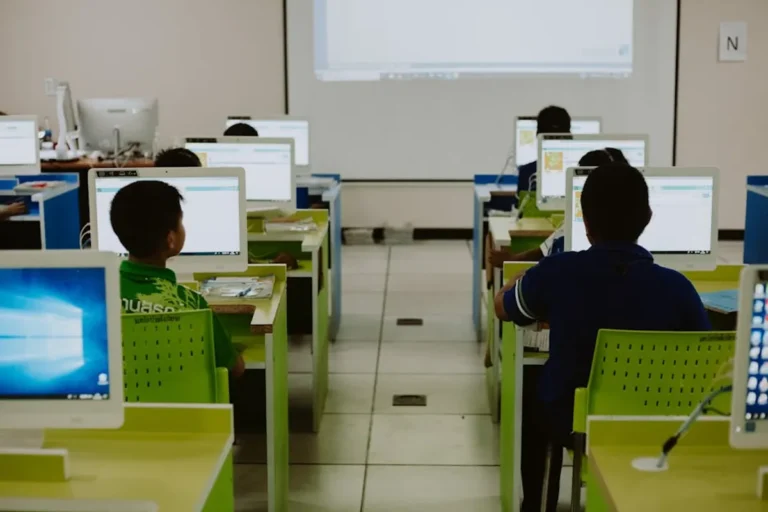

Choosing the right school for your child in Ankara involves navigating a diverse educational landscape, from international baccalaureate programs to specialized Turkish colleges. This guide provides a structured overview of key considerations and profiles a selection of school types to assist parents in making an informed decision tailored to their child's unique needs and aspirations.
How to Evaluate Schools in Ankara: Essential Criteria for Parents
Before exploring specific institutions, establishing a clear set of priorities is crucial. Ankara's schools vary significantly in curriculum, philosophy, and student experience. Consider these factors:
- Curriculum Type: Decide between international curricula (e.g., IB, AP, British, American), the Turkish National Curriculum, or hybrid models. International programs often cater to globally mobile families and offer pathways to universities worldwide, while the national curriculum prepares students for Turkish higher education.
- Language of Instruction: Many schools offer bilingual programs or instruction primarily in English, German, or French, alongside Turkish. Assess your child's language proficiency and your long-term language goals.
- Educational Philosophy: Schools range from traditional, academic-focused environments to those emphasizing project-based learning, Montessori principles, or arts integration. Match the school's approach to your child's learning style and personality.
- Teacher Qualifications and Experience: Inquire about teacher certifications, years of experience, and professional development opportunities. A dedicated and well-qualified faculty is a cornerstone of effective education.
- Facilities and Resources: Evaluate classrooms, science labs, libraries, sports facilities, art studios, and technology infrastructure. These resources directly impact the breadth of educational opportunities.
- Extracurricular Activities: A robust extracurricular program, including sports, clubs, arts, and community service, enriches the student experience and fosters holistic development.
- Student-Teacher Ratio and Class Size: Smaller class sizes often allow for more individualized attention, though this can vary by subject and grade level.
- Accreditation and Affiliations: For international schools, look for accreditation from recognized bodies (e.g., CIS, NEASC, COBIS). For Turkish schools, accreditation by the Ministry of National Education is standard.
- Location and Transportation: Consider the school's proximity to your home and available transportation options. Commute time significantly impacts a child's daily routine.
- Tuition and Fees: Understand the full cost, including tuition, registration fees, uniforms, textbooks, and extracurricular expenses. Scholarship opportunities may be available at some institutions.
- School Culture and Community: Visit the school, observe classes, and speak with current parents and students if possible. A positive school culture fosters belonging and supports learning.
1. Ankara International Academy
Ankara International Academy (AIA) is positioned as a premier option for families seeking a globally recognized educational framework. It offers the full International Baccalaureate (IB) continuum, encompassing the Primary Years Programme (PYP), Middle Years Programme (MYP), and Diploma Programme (DP). The school emphasizes inquiry-based learning, critical thinking, and intercultural understanding, preparing students for university admissions worldwide. Its diverse student body represents over 40 nationalities, fostering a truly international perspective within the classroom and beyond.
Best For: Expatriate families, globally-minded Turkish families, students aiming for top international universities, and those who thrive in a multicultural, inquiry-driven environment.
Pros:
- Full IB continuum ensures a consistent pedagogical approach from early years through high school.
- Strong university counseling department with a track record of placements in competitive global institutions.
- Highly qualified international faculty with extensive experience in IB education.
- Diverse student population enriches cultural exchange and global awareness.
- Emphasis on holistic development through a wide range of extracurricular activities, including Model UN, debate, and various sports.
Cons:
- Tuition fees are among the highest in Ankara, reflecting its international standards and resources.
- The IB curriculum's rigor may not suit all learning styles, particularly those preferring a more traditional, rote-learning approach.
- Campus location might be a consideration for families residing far from its specific district.
Verdict: AIA provides a robust, internationally recognized education with a strong focus on academic rigor and global citizenship, ideal for families prioritizing a seamless transition to higher education abroad and a diverse learning community.
2. Çankaya Bilim Koleji
Çankaya Bilim Koleji stands out for its strong emphasis on STEM (Science, Technology, Engineering, and Mathematics) education within the framework of the Turkish National Curriculum. The school integrates advanced laboratory work, robotics, coding, and project-based learning into its core curriculum from an early age. It aims to cultivate future innovators and scientists, providing specialized facilities such as dedicated science labs, computer programming suites, and engineering workshops. The college often participates in national and international science competitions, achieving notable results.
Best For: Turkish families prioritizing a rigorous STEM education, students with a strong aptitude for science and technology, and those aspiring to pursue careers in engineering, medicine, or research within Turkey.
Pros:
- Specialized STEM curriculum with advanced resources and dedicated faculty in science and technology fields.
- High success rates in national university entrance exams, particularly for science and engineering faculties.
- Opportunities for participation in prestigious science fairs and Olympiads.
- Modern facilities designed to support hands-on learning in STEM subjects.
- Strong academic support system for students preparing for challenging exams.
Cons:
- The intense academic focus on STEM might lead to less emphasis on humanities or arts compared to more balanced curricula.
- Pressure to perform in national exams can be high, potentially creating a demanding environment for some students.
- Extracurricular offerings might be more concentrated on STEM-related clubs rather than a broad range of activities.
Verdict: An excellent choice for academically driven students with a clear interest in STEM, offering a focused and well-resourced pathway to higher education in scientific and technical fields within Turkey.
3. Başkent Amerikan Okulları
Başkent Amerikan Okulları offers an American-style curriculum, culminating in the American High School Diploma. The school emphasizes a broad-based education, critical thinking, and student-centered learning. Its program is designed to be flexible, allowing students to select electives that align with their interests while meeting core academic requirements. English is the primary language of instruction, supported by native-speaking teachers. The school also offers Advanced Placement (AP) courses, providing college-level material and potential university credit.
Best For: Families seeking a familiar American educational model, students planning to attend universities in the US or Canada, and those who benefit from a flexible curriculum with elective choices.
Pros:
- Accredited American curriculum provides a direct pathway to North American universities.
- AP courses offer academic challenge and potential university credit, reducing college costs and time.
- Emphasis on student leadership, community service, and a wide array of sports and arts programs.
- Experienced faculty, many with American teaching credentials.
- Cultivates a school culture that encourages independent thought and active participation.
Cons:
- Tuition fees are substantial, reflecting the international curriculum and resources.
- Students transitioning from non-American systems might require an adjustment period to the teaching methodologies.
- While strong in English, integration with Turkish language and culture might be less prominent than in bilingual schools.
Verdict: A solid option for families desiring an American education with a focus on preparing students for higher education in the US, offering a balance of academic rigor and extracurricular engagement.
4. Yenimahalle Sanat Lisesi
Yenimahalle Sanat Lisesi is a specialized high school dedicated to nurturing artistic talent across various disciplines, including fine arts, music, theater, and dance. Operating under the Turkish Ministry of National Education, it provides a unique curriculum that combines core academic subjects with intensive arts training. Students undergo aptitude tests for admission, ensuring a cohort of highly motivated and gifted individuals. The school boasts professional-grade studios, performance halls, and experienced instructors who are often practicing artists themselves.
Best For: Students with proven artistic talent and a strong passion for fine arts, music, performing arts, or design, who wish to pursue these fields at a professional level or in higher education.
Pros:
- Specialized curriculum allows for deep immersion and advanced training in chosen artistic disciplines.
- Access to professional-grade facilities and equipment for arts practice and performance.
- Instruction from experienced artists and educators who are active in their respective fields.
- A supportive community of like-minded, artistically inclined students.
- Prepares students for university programs in arts and humanities, both nationally and internationally.
Cons:
- Admission is highly competitive and requires demonstrated artistic aptitude.
- The intense focus on arts may mean less emphasis on certain academic subjects compared to general high schools.
- Career paths directly from an arts high school can be less defined than those from STEM-focused institutions, requiring further specialization.
Verdict: An exceptional environment for artistically gifted students, offering specialized training and a supportive community to develop their talents and pursue higher education in the arts.
5. Batıkent Özel Okul
Batıkent Özel Okul operates as a private Turkish school offering education from kindergarten through high school, adhering to the Turkish National Curriculum. Its philosophy centers on providing a balanced education that combines academic excellence with character development and a strong sense of national identity. The school prides itself on its dedicated teaching staff, modern facilities, and a structured learning environment. It often incorporates supplementary English language instruction and various cultural and sports activities to complement the national curriculum.
Best For: Turkish families seeking a private school within the national curriculum framework, valuing a structured academic environment, and prioritizing a strong foundation in Turkish culture and language.
Pros:
- Strong alignment with the Turkish National Curriculum, ensuring seamless transition to Turkish universities.
- Focus on foundational academic skills and disciplined study habits.
- Often provides additional English language lessons beyond the standard curriculum.
- Emphasis on character education and national values.
- Generally more accessible tuition fees compared to international schools.
Cons:
- Curriculum might be less flexible or globally oriented than international alternatives.
- Extracurricular offerings, while present, might not be as diverse as those in larger international institutions.
- The teaching methodology might be more traditional, potentially less suited for students who thrive in highly innovative or project-based learning settings.
Verdict: A reliable choice for parents seeking a quality private education under the Turkish system, offering a solid academic foundation and a focus on cultural values.
6. Etimesgut Fen Lisesi
Etimesgut Fen Lisesi is a highly selective public science high school, renowned for its rigorous academic program focused on mathematics and natural sciences. Admission is based on nationwide competitive examinations, attracting some of Ankara's brightest young minds. The school's curriculum is designed to prepare students for the most demanding university science and engineering programs. It features advanced laboratory facilities and a highly qualified teaching staff, often comprising teachers with postgraduate degrees in their specialized fields. The emphasis is on deep conceptual understanding and problem-solving skills.
Best For: Exceptionally gifted and academically driven students with a strong aptitude for science and mathematics, who thrive in a highly competitive and intellectually stimulating environment, aiming for top-tier Turkish universities.
Pros:
- Highly prestigious and academically rigorous, offering an elite education in science and mathematics.
- Excellent track record of placing students in the top faculties of Turkish universities.
- Access to advanced laboratory equipment and specialized resources.
- Highly motivated peer group fosters a competitive yet supportive learning environment.
- No tuition fees, as it is a public institution, making it an accessible option for high-achieving students.
Cons:
- Extremely competitive admission process, requiring exceptional performance in national exams.
- The intense academic pressure might not suit all students, potentially leading to stress for some.
- Less emphasis on arts, humanities, or a broad range of extracurricular activities.
- Limited flexibility in curriculum choices due to its specialized nature.
Verdict: An unparalleled opportunity for the most academically talented students in science and mathematics, offering a pathway to elite university programs without the burden of tuition fees, provided they can thrive under intense academic pressure.
7. Gölbaşı Doğa Okulu
Gölbaşı Doğa Okulu (Nature School) integrates environmental awareness and sustainability into its curriculum, offering a unique educational experience from early years through high school. While following the Turkish National Curriculum, it places a significant emphasis on outdoor learning, ecological projects, and fostering a connection with nature. The campus often features extensive green spaces, organic gardens, and facilities for environmental studies. The school aims to develop responsible global citizens who are conscious of their impact on the planet, blending traditional academics with practical environmental stewardship.
Best For: Families who prioritize environmental education, outdoor learning, and a holistic approach that connects academic subjects to real-world ecological issues, for children who enjoy nature and hands-on projects.
Pros:
- Unique curriculum focus on environmental science, sustainability, and outdoor education.
- Extensive green campus and facilities designed to support nature-based learning.
- Fosters a strong sense of environmental responsibility and community engagement.
- Combines the Turkish National Curriculum with innovative pedagogical approaches.
- Promotes physical activity and well-being through outdoor activities.
Cons:
- Location in Gölbaşı might be a longer commute for families in other parts of Ankara.
- The specific focus on nature might mean less exposure to certain urban or technological aspects compared to other schools.
- Parents might need to ensure the academic rigor in core subjects meets their expectations alongside the environmental focus.
Verdict: An excellent choice for families passionate about environmental education and seeking a school that cultivates ecological awareness and responsibility alongside a solid academic foundation.
8. Keçiören Montessori Okulu
Keçiören Montessori Okulu applies the Montessori method, emphasizing self-directed activity, hands-on learning, and collaborative play. This school focuses on fostering independence, self-discipline, and a love for learning in children from preschool through primary grades. The classrooms are designed as "prepared environments" with specialized Montessori materials that allow children to explore concepts at their own pace. Teachers, trained in Montessori pedagogy, act as guides rather than lecturers, observing and supporting each child's individual development. The school aims to develop well-rounded individuals who are curious, confident, and respectful.
Best For: Younger children and families who value child-led learning, individualized instruction, and a pedagogical approach that nurtures independence, creativity, and intrinsic motivation, particularly for early childhood and primary education.
Pros:
- Individualized learning pace allows each child to master concepts thoroughly before moving on.
- Emphasis on practical life skills, fostering independence and self-care.
- Multi-age classrooms encourage peer mentorship and collaborative learning.
- Development of critical thinking and problem-solving through hands-on exploration.
- Highly trained Montessori directresses who understand child development.
Cons:
- The transition to more traditional schooling in later grades might be challenging for some students.
- The unstructured, child-led nature might not suit parents who prefer a more rigid, teacher-directed curriculum.
- Montessori education can sometimes be perceived as less academically rigorous in traditional metrics, though it excels in other developmental areas.
Verdict: An ideal environment for early and primary education for children who thrive with autonomy, hands-on learning, and a focus on developing self-reliance and a natural curiosity.
9. Mamak Gelişim Koleji
Mamak Gelişim Koleji is a comprehensive private school offering a balanced education under the Turkish National Curriculum, with a strong emphasis on character development and social responsibility. The school aims to provide a supportive and nurturing environment where students can achieve academic success while developing strong ethical values. It often includes robust counseling services, parent engagement programs, and a variety of clubs and community service initiatives. The college focuses on preparing students not only for university but also for responsible citizenship.
Best For: Families seeking a well-rounded private education with a strong emphasis on moral development, social skills, and community involvement within the Turkish educational system.
Pros:
- Balanced approach combining academic rigor with character education and social responsibility.
- Strong pastoral care and counseling services for student well-being.
- Active parent-teacher association and community engagement programs.
- Diverse extracurricular activities promoting teamwork and leadership.
- Prepares students effectively for Turkish university entrance exams while fostering personal growth.
Cons:
- May not offer the same level of international exposure or curriculum flexibility as schools with IB or American programs.
- Facilities might be more modest compared to some of the larger, more expensive private institutions.
- The emphasis on traditional values might not resonate with all families seeking a more progressive educational philosophy.
Verdict: A solid choice for families valuing a holistic education that balances academic achievement with strong moral and social development, preparing students for both university and responsible roles in society.
10. Sincan Yabancı Dil Okulu
Sincan Yabancı Dil Okulu is a specialized private high school focusing on intensive foreign language education alongside the Turkish National Curriculum. While offering a standard academic program, its distinguishing feature is the significantly increased number of hours dedicated to foreign language instruction, often including English, German, and/or French. The school employs native or near-native speaking teachers for language classes and often integrates cultural immersion activities, exchange programs, and international language certifications (e.g., Goethe-Institut, DELF/DALF, Cambridge English). The goal is to produce graduates who are genuinely bilingual or multilingual.
Best For: Students with a strong aptitude for languages and families who prioritize multilingualism, aiming for careers in international relations, translation, or global business, or simply wishing for their child to be fluent in multiple languages.
Pros:
- Exceptional focus on foreign language proficiency, with significantly more instruction hours than standard schools.
- Opportunities to achieve international language certifications, enhancing university and career prospects.
- Exposure to different cultures through language and exchange programs.
- Highly qualified language instructors, often native speakers.
- Prepares students for both national university exams and international language requirements.
Cons:
- The intensive language focus might reduce time allocated to other subjects, potentially requiring students to manage their time effectively.
- The school's location in Sincan might be a factor for families residing in other districts.
- Success heavily relies on the student's motivation and aptitude for language learning.
Verdict: An ideal school for language enthusiasts, providing an immersive environment to achieve high proficiency in multiple foreign languages, opening doors to diverse academic and professional opportunities.
11. Pursaklar Eğitim Kampüsü
Pursaklar Eğitim Kampüsü operates as a large, integrated educational complex offering education from preschool through high school on a single, expansive campus. This setup allows for a seamless transition between educational stages and often facilitates shared resources and a consistent educational philosophy across all age groups. The campus typically includes extensive sports facilities, arts centers, and specialized labs, providing a wide range of academic and extracurricular opportunities. It follows the Turkish National Curriculum but often supplements it with enriched programs and modern pedagogical approaches.
Best For: Families seeking a long-term educational home where children can progress through all stages within the same institutional culture, benefiting from comprehensive facilities and a consistent educational approach.
Pros:
- Seamless educational journey from early childhood to high school on one campus.
- Extensive and modern facilities, including sports complexes, performing arts venues, and specialized labs.
- A wide array of extracurricular activities due to the scale and resources of the campus.
- Consistent educational philosophy and teaching methodologies across different age groups.
- Strong community feel due to the shared environment for all ages.
Cons:
- The large size of the campus and student body might feel overwhelming for some children who prefer smaller, more intimate settings.
- Location in Pursaklar might require longer commutes for families living in central or western Ankara.
- While comprehensive, the curriculum is primarily aligned with the Turkish National System, potentially offering less international exposure.
Verdict: A strong option for families desiring a comprehensive, long-term educational solution on a well-equipped campus, offering a wide range of opportunities within a consistent institutional framework.
12. Altındağ Klasik Lisesi
Altındağ Klasik Lisesi represents a traditional Turkish high school, focusing on a strong academic foundation within the Turkish National Curriculum, with a particular emphasis on humanities, literature, and social sciences. While not as specialized as a Fen Lisesi (Science High School) or a Sanat Lisesi (Arts High School), it provides a robust general education that prepares students for a broad range of university programs. The school often prides itself on its historical roots, disciplined environment, and fostering a deep appreciation for Turkish culture and classical knowledge. It aims to develop well-read, articulate, and thoughtful individuals.
Best For: Students who excel in humanities, literature, and social sciences, and families who value a traditional academic approach with a strong emphasis on Turkish language, history, and culture, preparing for university programs in these fields.
Pros: