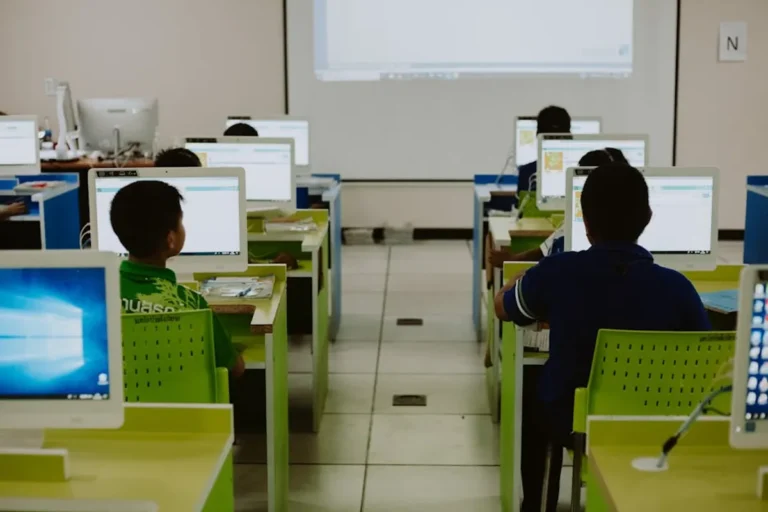
Choosing the right school in Izmir involves navigating a complex landscape of educational philosophies, financial commitments, and admissions procedures. For families relocating or seeking a different academic environment, understanding the specific offerings of institutions—from their core curriculum frameworks to their fee structures and entry requirements—is critical for aligning educational goals with practical realities. This detailed overview aims to clarify these distinctions, providing a foundation for informed decision-making among Izmir's diverse school options.
Key Considerations for Izmir Schools
Selecting an educational institution requires a systematic evaluation of several interconnected factors. A clear understanding of these areas before initiating applications can streamline the process and lead to a more suitable match for a student's needs and a family's priorities.
Curriculum Frameworks
The curriculum defines the educational approach and academic standards. Options in Izmir typically include:
- International Baccalaureate (IB): Known for its rigorous, inquiry-based learning and global perspective, offered across Primary Years Programme (PYP), Middle Years Programme (MYP), and Diploma Programme (DP). It emphasizes critical thinking and international-mindedness.
- American Curriculum: Often follows a credit-based system, with a broad range of subjects and a focus on college preparatory courses, culminating in a US High School Diploma. Emphasizes student-centered learning and extracurricular participation.
- British Curriculum: Typically follows the English National Curriculum, leading to IGCSEs and A-Levels. It is structured, subject-specific, and internationally recognized, emphasizing depth in chosen subjects.
- Turkish National Curriculum: Governed by the Ministry of National Education, focusing on Turkish language, history, and culture, alongside core subjects. It prepares students for Turkish university entrance exams.
- Montessori/Reggio Emilia: Child-centered approaches that emphasize self-directed activity, hands-on learning, and collaborative play, often found in early years and primary education.
Fee Structures and Financial Commitments
School fees in Izmir vary significantly based on curriculum, facilities, and prestige. Beyond annual tuition, families must account for:
- Registration/Enrollment Fees: Non-refundable fees paid upon initial acceptance.
- Annual Tuition: The primary cost, often paid in installments. International schools generally have higher tuition.
- Activity Fees: Covering extracurriculars, field trips, and special events.
- Uniforms, Books, and Supplies: Recurring costs that can add up annually.
- Transportation: School bus services are often an additional charge.
- Lunch Programs: Optional or mandatory meal plans.
- Sibling Discounts: Some schools offer reduced rates for multiple children from the same family.
- Scholarships/Bursaries: Limited availability, often merit-based or needs-based, requiring separate application processes.
Admissions Procedures
Entry requirements are specific to each institution and can be highly competitive, especially for international programs. Common elements include:
- Application Forms and Documentation: Standard personal and academic records.
- Entrance Exams: Assessments in subjects like English, Mathematics, and sometimes Turkish, especially for older students.
- Interviews: For both students and parents, to assess fit and mutual expectations.
- Previous Academic Records: Transcripts and report cards from prior schooling.
- Language Proficiency: Particularly for international schools, demonstrating English or other language fluency may be required.
- Age Requirements: Strict cut-off dates for grade placement.
- Waiting Lists: Common for popular schools, especially for specific year groups.
1. Izmir International Academy (IIA)
Izmir International Academy is a well-established institution offering a full International Baccalaureate (IB) continuum from Primary Years Programme (PYP) through to the Diploma Programme (DP). Located in a modern campus designed for collaborative learning, IIA emphasizes a holistic educational approach that fosters critical thinking, intercultural understanding, and community engagement. Its diverse student body represents over 40 nationalities, creating a genuinely global learning environment. The academy maintains high academic standards, consistently achieving above-average IB DP results, and preparing students for university admissions worldwide.
Best For: Families seeking a globally recognized, inquiry-based curriculum with a strong emphasis on international-mindedness and university preparation for international institutions.
Pros: Globally recognized IB curriculum; diverse student and faculty body; strong university counseling; modern facilities including science labs, arts studios, and sports complexes; emphasis on student agency and independent research.
Cons: High tuition fees, which can be a significant financial commitment; potentially less integration with local Turkish culture due to its international focus; competitive admissions process with language proficiency requirements.
Verdict: IIA stands as a premier choice for families prioritizing an elite international education, offering a robust academic foundation and extensive global university pathways, provided the financial investment aligns with family budgets.
2. Ege Koleji
Ege Koleji is a prominent private Turkish school known for its strong academic performance within the Turkish National Curriculum framework, complemented by extensive English language instruction. With multiple campuses across Izmir, it caters to a wide range of students from kindergarten through high school. The school integrates modern pedagogical methods with traditional values, aiming to develop well-rounded individuals who are prepared for both national university entrance exams (YKS) and global challenges. Ege Koleji places a significant emphasis on STEM subjects, arts, and sports, offering a balanced educational experience.
Best For: Families seeking a high-quality Turkish National Curriculum education with enhanced English language instruction and a strong focus on preparing for Turkish universities.
Pros: Strong academic reputation and YKS success rates; robust English language program; comprehensive extracurricular activities; multiple campus locations offering accessibility; comparatively lower fees than full international schools.
Cons: Curriculum primarily geared towards Turkish university system, which may require additional preparation for international university applications; class sizes can be larger than some international alternatives; admissions can be competitive for specific grade levels.
Verdict: Ege Koleji provides a reliable and respected educational pathway for families committed to the Turkish educational system, offering a solid academic foundation and a bridge to national higher education, with the benefit of strong English support.
3. Bostanlı American School
Bostanlı American School offers an American curriculum from elementary to high school, culminating in a US High School Diploma recognized globally. Located in the Bostanlı district, it attracts both expatriate and Turkish families seeking a familiar educational system with a focus on critical thinking, project-based learning, and a broad liberal arts approach. The school prides itself on its student-teacher ratio, fostering individualized attention and a supportive learning environment. Extracurricular activities, particularly in sports and performing arts, are a cornerstone of student life.
Best For: Families desiring an American-style education, emphasizing a broad curriculum, college preparatory courses, and a strong focus on student development beyond academics.
Pros: US High School Diploma recognized worldwide; emphasis on individualized learning and student support; strong extracurricular program in sports and arts; experienced faculty, often with American educational backgrounds; diverse course offerings.
Cons: Fees are generally higher than Turkish private schools, though often less than full IB international schools; curriculum may require adaptation for students transitioning from different systems; limited options for non-English speakers without prior proficiency.
Verdict: Bostanlı American School offers a solid American educational experience, providing a clear pathway to US and other international universities, suitable for families who value a comprehensive and student-centered approach.
4. Karşıyaka British College
Karşıyaka British College delivers the English National Curriculum, leading to IGCSEs and A-Levels, catering to students from early years through secondary education. Situated in a vibrant area, the college focuses on academic rigor, traditional subject mastery, and character development. Its structured curriculum is designed to prepare students for top universities in the UK and globally. The school maintains a strong emphasis on pastoral care, ensuring student well-being alongside academic achievement. Regular assessments and a clear progression system are integral to its educational model.
Best For: Families seeking a structured, academically focused British education with internationally recognized qualifications for university entry, particularly in the UK.
Pros: Internationally recognized IGCSE and A-Level qualifications; structured and progressive curriculum; strong pastoral care system; clear academic progression; highly experienced British-trained staff; emphasis on subject depth.
Cons: Curriculum can be highly specialized at A-Level, potentially limiting breadth for some students; fees are at the higher end of the spectrum; admissions process can be selective, requiring entrance assessments in core subjects.
Verdict: Karşıyaka British College is an excellent choice for those prioritizing a traditional British education, providing a clear and respected academic trajectory for university admission, particularly to UK institutions.
5. Alsancak Fen Lisesi (Science High School)
Alsancak Fen Lisesi is a highly selective Turkish public science high school, renowned for its rigorous STEM-focused curriculum and exceptional academic results. Admission is based on nationwide competitive entrance exams, making it a destination for academically gifted students. While it operates under the Turkish National Curriculum, its specialized focus on science and mathematics provides an intensive preparation for engineering, medicine, and other science-related fields at top Turkish universities. The school fosters a highly competitive yet supportive environment, often with boarding options.
Best For: Exceptionally gifted Turkish students seeking an intensive, specialized education in science and mathematics, with the goal of attending top Turkish universities in STEM fields.
Pros: Extremely high academic standards and YKS success rates; highly specialized STEM curriculum; no tuition fees (as a public school); access to a network of high-achieving peers and alumni; strong university placement in Turkish institutions.
Cons: Highly selective admission, requiring top scores on national exams; curriculum is intensely focused on STEM, potentially limiting exposure to humanities and arts; demanding academic pace can be stressful for some students; no international curriculum options.
Verdict: For the academically elite student aiming for a STEM career within Turkey, Alsancak Fen Lisesi offers an unparalleled, tuition-free pathway, though it demands significant academic commitment and successful navigation of a highly competitive entry process.
6. Bornova Montessori Okulu
Bornova Montessori Okulu provides an authentic Montessori education for children from preschool through early primary grades. This school emphasizes child-led learning, hands-on exploration, and individualized pace within a prepared environment. The curriculum focuses on practical life skills, sensorial development, language, mathematics, and cultural studies, fostering independence, concentration, and a love for learning. Classrooms are multi-age, allowing for peer teaching and social development across different age groups. The school is committed to Dr. Montessori's original principles.
Best For: Families who prioritize a child-centered, self-directed learning approach, particularly for early childhood and primary education, focusing on intrinsic motivation and holistic development.
Pros: Fosters independence, self-discipline, and problem-solving skills; individualized learning pace; multi-age classrooms encourage mentorship; strong focus on hands-on, experiential learning; peaceful and prepared learning environment.
Cons: May not suit all learning styles, particularly those who thrive on more structured, teacher-led instruction; transition to traditional schooling later on can be challenging for some students; availability often limited to early years; fees can be higher than conventional Turkish preschools.
Verdict: Bornova Montessori Okulu offers a distinct and enriching educational experience for young learners, ideal for parents who believe in fostering a child's natural curiosity and self-discovery, provided they understand the unique pedagogical approach.
7. Urla Deniz Koleji
Urla Deniz Koleji is a unique private school located near the coast, specializing in an integrated curriculum that combines the Turkish National Curriculum with a strong emphasis on environmental education, marine sciences, and outdoor learning. It caters to students from primary through high school, offering a distinctive approach that leverages its natural surroundings. Beyond core academics, the school incorporates sailing, diving, and ecological studies into its regular program, aiming to cultivate responsible global citizens with a deep appreciation for nature. English language instruction is also a key component.
Best For: Families seeking a Turkish National Curriculum education with a strong environmental focus, outdoor learning opportunities, and an emphasis on marine sciences and sustainability.
Pros: Unique curriculum integrating marine and environmental studies; strong emphasis on outdoor and experiential learning; modern facilities with access to coastal activities; develops a strong sense of environmental stewardship; good balance of national curriculum and specialized subjects.
Cons: Specialized focus may not appeal to all students or families; location in Urla might be a commute for some Izmir residents; fees are generally moderate to high for a Turkish private school; limited international curriculum options.
Verdict: Urla Deniz Koleji offers a refreshing alternative for students who thrive in an experiential learning environment and have an interest in environmental and marine studies, providing a well-rounded education with a distinct ecological signature.
8. Mavişehir Bilim Okulları
Mavişehir Bilim Okulları (Science Schools) is a private institution that follows the Turkish National Curriculum but distinguishes itself with an enhanced focus on science, technology, engineering, and mathematics (STEM) from an early age. It integrates advanced laboratory work, robotics, coding, and design thinking into its core curriculum, aiming to develop future innovators and problem-solvers. The school emphasizes project-based learning and critical inquiry, providing students with a strong foundation for STEM careers and higher education. English language proficiency is also heavily prioritized.
Best For: Families prioritizing a robust STEM-focused education within the Turkish National Curriculum, aiming to equip students with advanced scientific and technological skills.
Pros: Advanced STEM curriculum with hands-on projects; modern science and technology labs; strong emphasis on robotics, coding, and design thinking; prepares students exceptionally well for STEM fields in Turkish universities; enhanced English language program.
Cons: Intense focus on STEM might mean less emphasis on humanities and arts compared to more balanced curricula; fees are on the higher side for Turkish private schools; the demanding pace might not suit all learning styles.
Verdict: Mavişehir Bilim Okulları is an excellent choice for students with a keen interest in science and technology, offering a specialized and rigorous program that provides a significant advantage in STEM-related academic and career paths within Turkey.
9. Çeşme Uluslararası Okulu (Çeşme International School)
Çeşme Uluslararası Okulu provides an international curriculum, primarily following the British educational framework (IGCSE, A-Levels), but with adaptations to suit its coastal, seasonal location. It caters to a mix of local and international families, including those with seasonal residences, offering flexibility in its programs where possible. The school emphasizes a close-knit community feel, smaller class sizes, and a strong focus on individual student progress. Its unique location allows for outdoor learning opportunities and a relaxed, yet academically focused, environment.
Best For: Families seeking an international British curriculum in a more relaxed, coastal setting, potentially with seasonal attendance needs, who value a close-knit community and individualized attention.
Pros: British curriculum with international recognition; smaller class sizes and individualized attention; unique coastal location with outdoor learning opportunities; caters to a diverse, often transient, international student body; strong community feel.
Cons: Fees can be high, comparable to other international schools; curriculum might be impacted by seasonal student fluctuations; fewer extracurricular options compared to larger urban international schools; limited higher education counseling for non-UK universities.
Verdict: Çeşme Uluslararası Okulu offers a distinct international education experience, blending academic rigor with a unique lifestyle, making it ideal for families who prioritize a British curriculum in a smaller, more intimate setting.
10. Göztepe Anadolu Lisesi
Göztepe Anadolu Lisesi is a well-respected Turkish Anatolian High School, known for its strong academic tradition and competitive entry. Like Alsancak Fen Lisesi, admission is through national exams, but it offers a more balanced Turkish National Curriculum compared to the pure STEM focus of Fen Lisesi. It prepares students comprehensively for the YKS (Turkish university entrance exams) across a wide range of fields, including social sciences, humanities, and natural sciences. The school fosters a disciplined yet supportive environment, promoting critical thinking and civic responsibility.
Best For: Academically capable Turkish students seeking a high-quality, balanced Turkish National Curriculum education with strong preparation for a wide array of fields at Turkish universities.
Pros: High academic standards and YKS success rates across various disciplines; tuition-free (as a public school); comprehensive curriculum covering humanities, social sciences, and sciences; strong reputation and alumni network; prepares students for diverse university pathways.
Cons: Highly competitive admission through national exams; large class sizes are common; curriculum is entirely in Turkish, with limited international language options; less exposure to international educational methodologies.
Verdict: Göztepe Anadolu Lisesi represents a top-tier option within the Turkish public education system for academically strong students, providing a comprehensive and rigorous pathway to higher education within Turkey.
11. Balçova Özel Okulu
Balçova Özel Okulu is a private Turkish school offering education from kindergarten through high school, operating under the Turkish National Curriculum with an emphasis on modern language acquisition and technology integration. The school aims to provide a well-rounded education, balancing academic achievement with character development and extracurricular engagement. It offers enhanced English and often a second foreign language (e.g., German, French) as part of its curriculum, preparing students for both national exams and broader global opportunities. Facilities include smart classrooms and dedicated arts and sports areas.
Best For: Families seeking a comprehensive Turkish National Curriculum education with a strong focus on foreign language proficiency and technology integration, at a moderate private school fee level.
Pros: Strong foreign language programs; good integration of technology in learning; balanced curriculum with academic and extracurricular options; generally more accessible fees than international schools; supportive learning environment.
Cons: While strong in languages, the core curriculum remains Turkish National, which may require supplementary efforts for international university applications; class sizes can vary; admissions process is less competitive than top public high schools but still requires evaluation.
Verdict: Balçova Özel Okulu provides a solid, modern Turkish private education, particularly strong for students looking to develop robust foreign language skills alongside a standard national curriculum, representing good value for its offerings.
12. Narlıdere Kültür Okulları
Narlıdere Kültür Okulları is part of a larger educational group, offering a Turkish National Curriculum with a distinct focus on cultural enrichment, arts, and humanities, alongside strong academic preparation. The school fosters a creative and intellectually stimulating environment, encouraging students to explore their talents in music, visual arts, and literature. While preparing students for the YKS exams, it also emphasizes critical thinking, communication skills, and a deep appreciation for Turkish and global culture. English language instruction is integrated throughout the curriculum.
Best For: Families desiring a Turkish National Curriculum education that prioritizes cultural enrichment, arts, and humanities alongside strong academic preparation, fostering well-rounded individuals.
Pros: Strong emphasis on arts, culture, and humanities; balanced academic curriculum with good YKS preparation; modern facilities supporting creative arts; fosters critical thinking and communication skills; integrated English language learning.
Cons: May not be as STEM-focused as other private Turkish schools; fees are at a moderate to higher level for private Turkish institutions; location might require commuting for some families outside Narlıdere; admissions can be selective.
Verdict: Narlıdere Kültür Okulları offers a compelling option for families who value a holistic education that balances academic rigor with a rich cultural and artistic development, preparing students for diverse pathways within Turkey.
Making Your Final Decision: Beyond the Brochure
After initial research into curriculum, fees, and admissions, the next phase involves deeper due diligence. Schedule visits to shortlisted schools to observe classroom environments, interact with faculty, and speak with current parents if possible. Pay attention to the school's atmosphere, student-teacher interactions, and the overall state of facilities. Inquire about teacher qualifications, staff turnover rates, and student support services, including counseling and learning support. Understand the school's approach to technology integration, safety protocols, and parent communication. A school's culture and values should resonate with your family's own, ensuring a supportive and productive educational journey for the student.
Frequently Asked Questions About Schools in Izmir
What is the typical age range for kindergarten in Izmir?
Kindergarten in Izmir typically starts around 3-4 years old, with compulsory pre-school education often beginning at age 5 for a year before primary school.
Are scholarships available for international schools in Izmir?
Scholarships at international schools are generally limited and highly competitive, often merit-based for academic achievement or talent in specific areas, or occasionally needs-based. Families should inquire directly with individual schools about their specific scholarship programs and application criteria.
How important is English proficiency for admission to international schools?
English proficiency is often a critical requirement for admission to international schools, especially for older students, as the curriculum is delivered entirely in English. Many schools conduct English language assessments as part of their admissions process. For younger students, the expectation might be lower, with language support programs available.
What is the difference between an Anatolian High School (Anadolu Lisesi) and a Science High School (Fen Lisesi)?
Both are types of Turkish public high schools with competitive entry. Anadolu Lisesi offers a more general, balanced curriculum encompassing humanities, social sciences, and natural sciences. Fen Lisesi, on the other hand, specializes in an intensive curriculum focused primarily on science and mathematics, preparing students specifically for STEM fields at university.
Do Izmir schools offer transportation services?
Most private schools and some public schools in Izmir offer optional transportation services (school buses) for an additional fee. Routes are typically designed to cover major residential areas, but it's essential to confirm specific routes