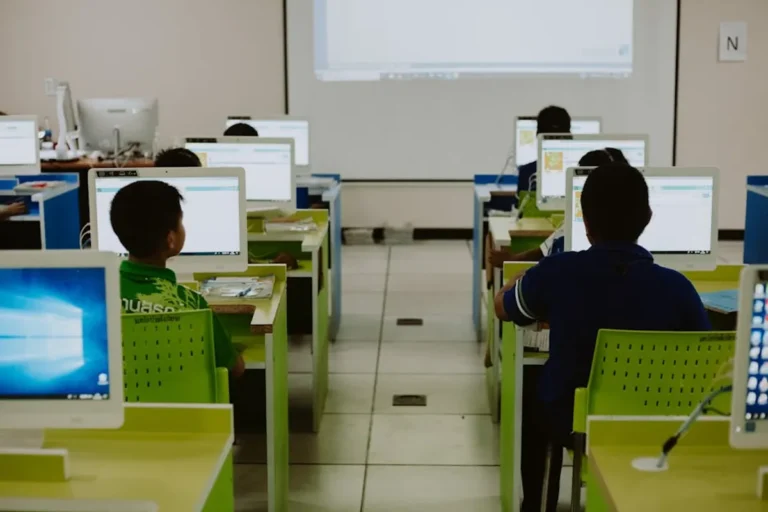
Selecting the right educational environment for a child is a long-term investment, with the curriculum serving as the foundational blueprint for their academic and personal development. A school curriculum dictates not just what a student learns, but how they learn, how their progress is measured, and ultimately, how prepared they are for future academic pursuits and life beyond the classroom. A structured comparison goes beyond marketing brochures, focusing instead on the practical implications of different educational philosophies and frameworks. This guide outlines a methodical approach to evaluating school curriculums, ensuring decisions are grounded in specific needs and desired outcomes.
Understanding Core Curriculum Frameworks
Before diving into a direct comparison, it's essential to recognize the distinct philosophies underpinning various curriculum models. Each framework carries specific objectives, pedagogical approaches, and assessment methodologies that shape the learning experience.
- National Curriculums: Often mandated by government bodies, these provide a standardized set of learning objectives and content for specific age groups within a country. They emphasize national identity, culture, and often lead to recognized national qualifications.
- International Baccalaureate (IB): A globally recognized framework, the IB focuses on developing inquiring, knowledgeable, and caring young people. It emphasizes critical thinking, international-mindedness, and a holistic approach to education across its Primary Years (PYP), Middle Years (MYP), and Diploma Programme (DP).
- American Curriculum: Characterized by breadth and flexibility, often following state-specific standards or common core principles. It typically offers a wide array of subjects, electives, and a focus on continuous assessment, culminating in a high school diploma.
- British Curriculum: Known for its structured, subject-specific approach, leading to GCSEs and A-Levels. It often emphasizes depth within subjects and a clear progression path, with external examinations playing a significant role in assessment.
- Montessori: A child-centered approach that emphasizes independent learning, hands-on activities, and a prepared environment. It focuses on developing intrinsic motivation and practical life skills.
- Waldorf (Steiner): Integrates academic, artistic, and practical education with a focus on imagination, creativity, and the development of the whole child. It follows distinct developmental stages, often delaying formal academics.
Key Criteria for Curriculum Evaluation
A meaningful comparison requires a consistent set of criteria applied across different models. Focus on these areas to uncover the practical differences.
Academic Rigor and Depth
Assess the intellectual challenge and the extent to which a curriculum fosters deep understanding versus broad coverage.
Consider:
- Subject Breadth vs. Specialization: Does the curriculum offer a wide range of subjects, allowing for exploration, or does it encourage early specialization in particular fields? For example, the IB Diploma Programme requires study across six subject groups, while A-Levels allow for intense focus on three or four.
- Cognitive Demands: Does the curriculum prioritize memorization of facts, or does it emphasize critical thinking, problem-solving, and analytical skills? Review sample assignments, project work, and past exam papers to gauge this.
- Advanced Opportunities: Look for provisions for accelerated learning, advanced placement (AP) courses, honors programs, or opportunities for independent research.
Pedagogical Approach and Teaching Methods
The 'how' of learning is as crucial as the 'what'. Different curriculums advocate distinct instructional strategies.
Consider:
- Teacher-Led vs. Student-Centered: Some curriculums rely heavily on direct instruction, while others promote inquiry-based learning, collaborative projects, and student-led investigations.
- Interdisciplinary Connections: Does the curriculum encourage making connections across different subjects, fostering a holistic understanding, or are subjects taught in isolated silos?
- Technology Integration: Evaluate how technology is used as a tool for learning, research, and collaboration, rather than just for presentation.
Assessment and Evaluation Methods
Understanding how student progress is measured provides insight into what a curriculum values.
Consider:
- Formative vs. Summative Assessment: Does the curriculum emphasize continuous feedback and ongoing assessment (formative) to guide learning, or does it primarily rely on high-stakes end-of-term or end-of-year examinations (summative)?
- Variety of Assessment: Look for a mix of assessment types, including essays, projects, presentations, portfolios, practical experiments, and standardized tests. A diverse approach often provides a more comprehensive picture of student capabilities.
- External Recognition: For international mobility or university applications, confirm that the qualifications gained are widely recognized and accepted by higher education institutions globally.
Extracurricular and Holistic Development
A comprehensive curriculum extends beyond academics to foster personal growth and well-being.
Consider:
- Breadth of Activities: Evaluate the range of opportunities in arts, sports, music, drama, community service, and leadership programs. These activities complement academic learning by developing teamwork, resilience, and creative expression.
- Character Development: Does the curriculum explicitly integrate values education, social-emotional learning, or a focus on ethical decision-making?
- Global Citizenship: For international curriculums, assess how they cultivate intercultural understanding and a sense of global responsibility.
Alignment with Future Goals
The curriculum should serve as a stepping stone to a student's next phase, whether that's higher education or a specific career path.
Consider:
- University Preparation: Research the university placement rates of students from particular curriculum pathways. Do they gain admission to desired institutions and programs?
- Career Readiness: Does the curriculum offer pathways or skills development relevant to emerging industries or vocational interests?
- Transferability: If international relocation is a possibility, assess how easily a student can transition from one curriculum to another without significant disruption to their academic progress.
Pro Tip: Look beyond marketing language and glossy brochures. Request detailed curriculum guides, academic handbooks, and examples of student work. Engage with current parents and alumni to gain unfiltered insights into the daily realities and long-term impacts of the curriculum in practice.
Making an Informed Curriculum Choice
A systematic approach to comparing curriculums involves defining priorities and gathering specific evidence.
Define Your Educational Priorities
Before beginning your search, clearly articulate what matters most for the student. Is it a strong foundation in STEM, a focus on arts, bilingual proficiency, or a highly structured environment? Ranking these priorities will streamline the evaluation process.
Gather Specific Information
Utilize school websites, official curriculum documents, and accreditation reports. Pay attention to the details of subject syllabi, assessment criteria, and graduation requirements. Attend open days and information sessions, preparing targeted questions about curriculum implementation.
Engage Directly with Educators
Schedule meetings with academic heads, subject teachers, and guidance counselors. Ask specific questions about differentiation for various learning styles, support for students with special needs, and how critical thinking is explicitly taught and assessed within their curriculum framework.
Synthesizing Your Research
The process of curriculum comparison culminates in a decision that aligns with a student's unique profile and future aspirations. By systematically evaluating academic rigor, pedagogical approaches, assessment methods, holistic development opportunities, and future alignment, families can move beyond superficial impressions to make a truly informed choice. The ideal curriculum is not universally defined; rather, it is the one that best supports an individual student's growth, challenges them appropriately, and prepares them for their specific path forward.
Frequently Asked Questions
What are the primary differences between the IB and British curriculums?
The IB emphasizes a holistic, interdisciplinary approach with a focus on critical thinking and international-mindedness across six subject groups. The British curriculum is typically more specialized, with a structured, subject-specific focus leading to external examinations like GCSEs and A-Levels, often allowing for deeper dives into fewer subjects.
How important is extracurricular activity when comparing curriculums?
Extracurricular activities are crucial for holistic development, fostering skills like teamwork, leadership, creativity, and resilience that complement academic learning. While not directly part of the core curriculum, their integration within a school's offerings reflects the curriculum's broader commitment to student growth beyond textbooks.
Should I prioritize academic rigor or holistic development in a curriculum?
The ideal curriculum balances both. While academic rigor ensures intellectual challenge and strong foundational knowledge, holistic development addresses social, emotional, and physical well-being, preparing students for real-world complexities. The optimal balance depends on the individual student's needs, strengths, and long-term goals.
How can I assess a curriculum's alignment with university admissions?
Research the university acceptance rates of graduates from schools offering specific curriculums, particularly for your target institutions and countries. Consult with university admissions offices directly regarding their recognition of different qualifications. Look for schools that provide robust university counseling and support services tailored to the curriculum's pathways.