Choosing a private school represents a significant financial and emotional investment for families, with long-term implications for a child's academic trajectory and personal development. The decision extends beyond glossy brochures and initial impressions, requiring a clear understanding of what constitutes genuine quality and alignment with a student's needs. A "good" private school is not merely defined by its tuition fee or historical reputation; it is a complex ecosystem of academic rigor, supportive community, robust resources, and transparent operations that collectively deliver measurable value and foster student success. Understanding these factors will help you formulate the key questions to ask before choosing a school that truly fits your child.
Foundational Elements of Academic Excellence
Curriculum Rigor and Breadth
A leading private school provides a curriculum that challenges students intellectually while offering pathways for diverse interests. This often includes advanced placement (AP), International Baccalaureate (IB), or other college-level courses that allow students to earn university credits or demonstrate advanced proficiency. Look for evidence of a curriculum that is regularly updated to reflect current educational research and societal needs, incorporating critical thinking, problem-solving, and interdisciplinary studies. The breadth of course offerings, including arts, sciences, humanities, and world languages, indicates a commitment to holistic intellectual development, moving beyond rote memorization to cultivate analytical and creative capabilities. Families often seek data and evidence when comparing private school outcomes to ensure academic success.
Faculty Quality and Engagement
The caliber of teaching staff directly impacts student outcomes. A strong private school prioritizes faculty with advanced degrees in their subject areas, coupled with demonstrated pedagogical expertise. Key indicators include low student-to-teacher ratios, enabling individualized attention and deeper engagement, and evidence of ongoing professional development for educators. Engaged faculty often serve as mentors, fostering intellectual curiosity and providing personalized guidance. Their ability to adapt teaching methods to various learning styles and to inspire a love of learning is paramount.
Outcomes and Post-Graduation Success
While not the sole metric, a school's track record of student success offers concrete evidence of its effectiveness. This includes college matriculation rates, the types of institutions students attend, and the scholarships they receive. Beyond statistics, understanding alumni networks and their engagement can reveal the long-term impact of the school's education and community. A "good" school prepares students not just for college admission, but for success in higher education and beyond, instilling resilience, adaptability, and a strong work ethic.
Cultivating a Supportive Community
Values-Driven Environment
The ethos and culture of a private school significantly shape a student's experience. A values-driven environment fosters respect, integrity, and a sense of belonging. This is often reflected in explicit codes of conduct, community service requirements, and an emphasis on character development alongside academic achievement. Such an environment promotes positive peer relationships, reduces behavioral issues, and creates a safe space for students to explore their identities and intellectual interests without undue pressure.
Parent and Family Involvement
Effective private schools recognize the crucial role of parents as partners in education. They provide structured, transparent channels for communication, including regular progress reports, parent-teacher conferences, and opportunities for family engagement in school activities. Active parent associations, volunteer opportunities, and clear communication policies demonstrate a commitment to a collaborative educational journey. This partnership ensures alignment between home and school values, reinforcing learning and support.
Student Well-being and Support Services
Beyond academics, a good private school prioritizes the emotional, social, and physical well-being of its students. This includes access to qualified counseling services, health support, and robust extracurricular programs that cater to diverse interests. Opportunities in athletics, arts, clubs, and leadership roles provide avenues for personal growth, skill development, and stress reduction. An inclusive environment that celebrates diversity and supports students with varying needs is a hallmark of a truly supportive institution.
Operational Strength and Resources
Facilities and Technology Integration
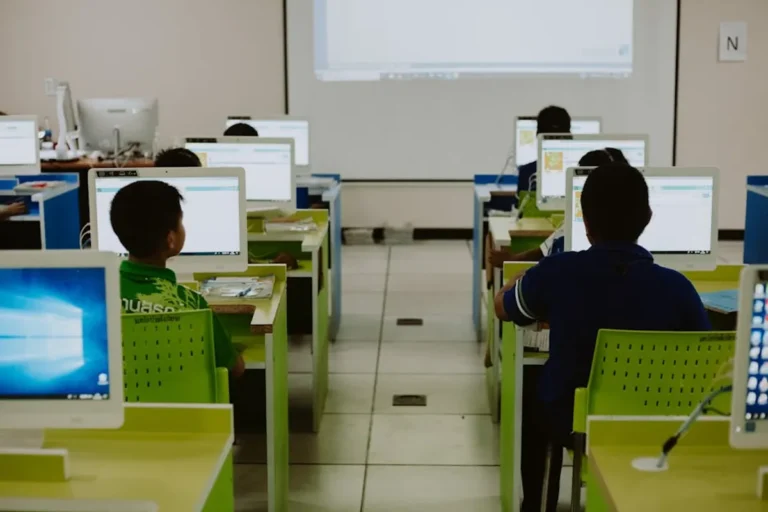
Modern, well-maintained facilities contribute to an optimal learning environment. This includes well-equipped classrooms, specialized science labs, art studios, performance spaces, and athletic facilities. Crucially, a good private school integrates current technology seamlessly into its curriculum and operations, providing students with access to digital learning tools, research databases, and opportunities for computational literacy. This prepares students for a technologically advanced world and enhances pedagogical approaches.
Financial Stability and Governance
The long-term viability and quality of a private school are underpinned by its financial health and governance structure. Indicators include a stable endowment, transparent tuition management, and sound financial planning that supports ongoing investment in programs, faculty, and facilities. A clear governance structure, often involving a board of trustees, ensures strategic oversight, accountability, and adherence to the school's mission. Financial stability allows for consistent program delivery and avoids sudden disruptions.
Pro Tip: When evaluating private schools, look beyond anecdotal evidence or marketing claims. Request specific data on faculty retention rates, average class sizes, and college matriculation statistics. Engage with current parents and alumni, and observe classroom interactions during visits. Superficial amenities can mask underlying weaknesses in academic delivery or community cohesion.
Differentiating Factors and Specializations
Unique Pedagogical Approaches
Some private schools distinguish themselves through specific educational philosophies that may align better with certain learning styles or family values. Examples include Montessori, Waldorf, Reggio Emilia, or schools employing project-based learning or inquiry-based models. Understanding these approaches and how they translate into daily classroom practice is essential for determining fit. These specialized methods often aim to cultivate specific skill sets or foster particular types of intellectual development.
Specialized Programs
Beyond core academics, many private schools offer specialized programs that cater to particular talents or interests. These can include advanced STEM academies, conservatory-level arts programs, competitive athletic tracks, or global studies initiatives that involve international travel and cultural immersion. Such programs provide depth and focus, allowing students to pursue passions at a high level and develop specialized skills that can be advantageous for future academic or career paths.
Practical Considerations for Evaluation
When assessing a private school, consider these actionable steps:
- Review Accreditation: Verify the school's accreditation status with recognized regional or national bodies. This ensures adherence to established educational standards.
- Analyze Student-Teacher Ratios: Lower ratios generally indicate more individualized attention. Inquire about average class sizes in core subjects.
- Examine Teacher Turnover: High teacher turnover can signal issues with school culture or management. Stable faculty often correlates with consistent program quality.
- Understand Disciplinary Policies: Clear, consistent, and restorative disciplinary policies contribute to a safe and orderly learning environment.
- Assess Communication Channels: Evaluate how the school communicates with parents regarding academic progress, school events, and student well-being.
- Visit During School Hours: Observe classroom dynamics, student engagement, and the overall atmosphere during a typical school day, not just during open house events.
Frequently Asked Questions
What is the most important factor in a good private school?
While academic rigor is crucial, the most important factor is often the "fit" between the school's culture, pedagogical approach, and a student's individual learning style and needs. A supportive community and engaged faculty are also paramount.
How do private schools measure success beyond college admissions?
Good private schools also measure success through character development, leadership skills, community involvement, critical thinking abilities, and the overall well-being and resilience of their graduates. Alumni engagement and career paths often reflect this broader impact.
Are smaller class sizes always better?
Generally, smaller class sizes allow for more individualized attention, personalized instruction, and deeper student-teacher relationships. However, the quality of teaching and curriculum design can sometimes outweigh the benefits of a very small class if other factors are weak.
How can I tell if a private school is financially stable?
Inquire about the school's endowment, fundraising efforts, and long-term financial planning. A transparent governance board and a history of sustained operations without significant tuition hikes or program cuts can indicate financial health.